

When it comes to the best gluten-free snacks, we’re talking about treats that hit that perfect sweet spot of incredible taste and satisfying texture without skimping on nutrition. The real winners, like the ones from Rip Van, aren't just certified gluten-free—they’re crafted with low sugar, high fiber, and clean ingredients. It's about making a genuinely better-for-you choice feel like a delicious indulgence.
Why Finding Great Gluten Free Snacks Matters
Searching for gluten-free options in the snack aisle can sometimes feel like a treasure hunt where most of the chests are empty. You're not just looking for a stand-in for "the real thing"; you want something genuinely enjoyable that satisfies a craving without making you feel like you're settling.
This isn't a niche concern anymore. What began as a critical dietary rule for people with celiac disease has blossomed into a mainstream lifestyle for millions who simply feel better without gluten. And the market has responded in a huge way, signaling a massive shift in how we all think about food and our health.
The proof is in the numbers. The global gluten-free market was valued at USD 7.75 billion and is on track to reach USD 13.67 billion by 2030, growing at an impressive 10.0% each year. This boom isn't just about what's being left out; it's about a growing demand for higher-quality, transparently made foods that fit into a modern, health-conscious life.
Defining The Best Of The Best
So, what exactly separates a good gluten-free snack from a great one? It really boils down to three non-negotiables:
- Incredible Taste and Texture: It has to be delicious in its own right—not just "good for a gluten-free product."
- Solid Nutritional Value: It should actively support your wellness goals with benefits like low sugar and high fiber.
- Clean and Simple Ingredients: The label should be easy to read, with ingredients you recognize and feel good about eating.
A truly superior snack doesn't just meet a dietary need; it enhances your day. It’s the satisfying crunch, the rich flavor, and the confidence that comes from knowing you’ve made a smart choice for your body.
When you're sorting through all the options out there, it helps to have a quick checklist in mind.
Quick Guide to Identifying Top-Tier Gluten Free Snacks
This table breaks down the key things to look for on any package to make sure you're getting a quality snack.
| Key Feature | What to Look For | Why It Matters |
|---|---|---|
| Gluten-Free Certification | A "Certified Gluten-Free" seal from a recognized third party. | This is your guarantee against cross-contamination, ensuring the product is safe for those with celiac disease or high sensitivity. |
| Low Sugar Content | 5 grams of sugar or less per serving. | Prevents energy crashes and supports stable blood sugar, making it a more sustainable source of fuel. |
| High Fiber Content | At least 3 grams of fiber per serving. | Fiber aids digestion, helps you feel full longer, and contributes to overall gut health. |
| Clean Ingredient List | Short list of whole-food ingredients you can pronounce. | Avoids artificial additives, preservatives, and fillers, ensuring you're fueling your body with real, nourishing food. |
Keeping these benchmarks in mind will instantly help you filter out the lackluster options and zero in on the snacks that are truly worth it.
Your Path to Smarter Snacking
Consider this guide your roadmap to finding those hidden gems in the snack aisle. We're going to break down exactly what to look for, how to read labels like a pro, and how to spot the snacks that give you the most bang for your buck. We'll use brands like Rip Van to show what this looks like in practice, highlighting how their thoughtful approach leads to some of the best gluten free snacks you can find.
As you build your go-to list, you can also check out other helpful roundups of great gluten-free snack bars to keep your options fresh and exciting. Get ready to finally fill your pantry with snacks you can feel great about.
What "Gluten-Free" Actually Means on a Snack Label
When you see "gluten-free" on a snack package, it feels simple enough, right? But it’s much more than a trendy marketing slogan; think of it as a promise of safety. That label is your guarantee that the snack has cleared a high bar, making it a safe choice for anyone who needs to avoid gluten for their health.
This isn’t just about leaving out a little wheat, either. The U.S. Food and Drug Administration (FDA) has a very clear-cut rule. For a product to legally wear the gluten-free badge, it must contain less than 20 parts per million (ppm) of gluten.
The 20 Parts Per Million Rule Explained
So, what does 20 ppm even look like? Imagine you have a massive jar holding one million tiny white beads. Now, drop just 20 black beads into that jar and give it a good shake. Your chances of pulling out a black bead are tiny, but for someone with celiac disease, even that remote possibility is a real health risk.
This number wasn't picked out of a hat. It’s the lowest level of gluten that our best scientific tools can consistently and reliably detect in food. For the roughly 2 million people in the U.S. with celiac disease, sticking to this microscopic limit is everything—it’s the difference between feeling great and triggering a painful immune reaction.
That’s why when you reach for a snack that is Certified Gluten-Free, you’re getting more than just a claim. You're choosing a product that has been independently verified to meet this critical safety standard.
Becoming a Gluten Detective on Your Own
While a certification is your gold standard, learning to read an ingredient list for yourself is an incredibly useful skill. Gluten is a master of disguise, popping up in the most unexpected places. If you know its aliases, you can make smart choices even when a product isn't officially certified.
Many everyday ingredients are actually derived from wheat, barley, or rye—the three main gluten grains. They're often used as thickeners, binders, or flavor enhancers, which makes them easy to miss if you aren't looking closely.
Here are a few of the most common "hidden gluten" culprits to watch out for on snack labels:
- Malt in Any Form: This is a big one. Malt syrup, malt extract, malt flavoring, and malt vinegar all come from barley, which is full of gluten.
- Brewer's Yeast: Since it's often a byproduct of making beer (which uses barley), this ingredient can be cross-contaminated with gluten.
- Wheat Starch: It sounds obvious, but unless the label specifically says it has been processed to remove gluten (to meet the <20 ppm standard), you should assume it contains gluten.
- Vague Thickeners: See an ingredient like "modified food starch"? If the source isn't listed (like "modified corn starch"), it could come from wheat. When in doubt, it's best to be cautious.
The goal is to get past just scanning for the words "wheat," "barley," or "rye." True label literacy means you can spot the ingredients made from those grains. That’s when you really take control of what you’re eating.
Recognizing Safe Ingredients You Can Trust
On the flip side, plenty of ingredients have complicated-sounding names but are perfectly safe. Getting to know them can open up a wider world of delicious snacks and keep you from avoiding things you don't have to.
For instance, things like corn starch, potato starch, and tapioca starch are your friends! They are all naturally gluten-free and do a fantastic job of giving snacks the structure and texture they need.
Here’s a quick-glance table of common ingredients that are generally safe:
| Ingredient | Why It's Safe | Common Use in Snacks |
|---|---|---|
| Corn Starch | Comes from corn, a naturally gluten-free grain. | Used as a thickener and to prevent clumping in cookies and crackers. |
| Xanthan Gum | A gluten-free binder and stabilizer made through fermentation. | Gives baked goods that stretchy, chewy texture we love. |
| Guar Gum | Made from a type of legume called the guar bean. | A popular thickener and binder in all sorts of snacks. |
| Rice Flour | Simply milled from rice, which is 100% gluten-free. | A go-to base flour in countless gluten-free snack recipes. |
By getting familiar with both the hidden gluten sources and the safe stand-ins, you can walk down the snack aisle feeling completely confident. You’ll know that every gluten-free choice you make is a genuinely safe one.
How to Choose Truly Healthy Gluten Free Snacks
Seeing a "gluten-free" label on a package is a good start, but it’s really just the beginning of the story. Think of it like buying a car advertised as having four wheels—that’s the bare minimum, not a guarantee of quality. A truly healthy snack needs more than just the absence of gluten; it needs a nutritional engine that actually fuels your body well.
This is where we need to put on our detective hats. Many snacks that ditch gluten end up loading up on refined starches, sugars, and unhealthy fats to make up for lost taste and texture. Our goal is to look past the flashy claims on the front of the box and dig into what really matters. We’ll focus on four key pillars that separate the best gluten-free snacks from the imposters: low sugar, high fiber, clean ingredients, and allergen awareness.
This flowchart is a great visual reminder to always dig deeper than the main label.
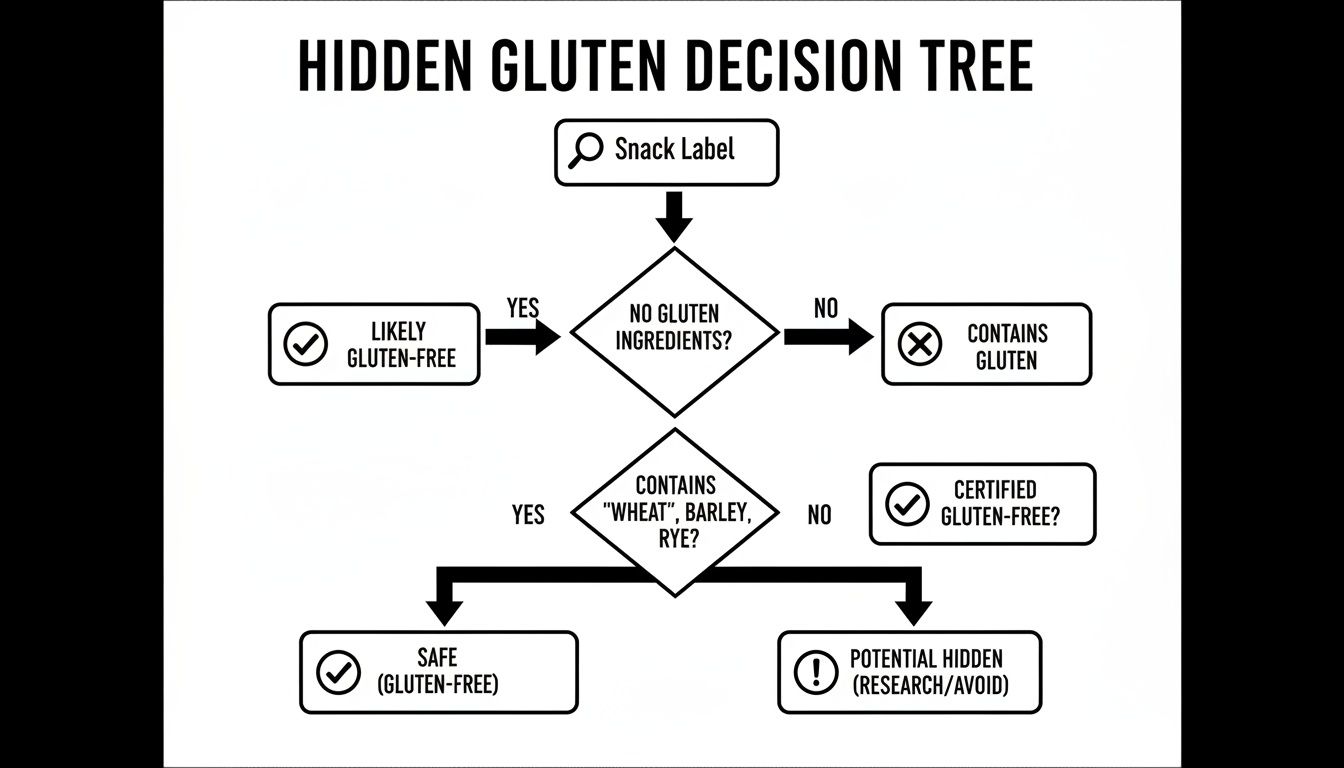
It really drives home the point that you have to investigate the ingredient list to be sure a snack is safe.
Prioritize Low Sugar Content
Sugar is one of the most common fillers in gluten-free products. It’s a cheap and easy way for manufacturers to add flavor, but it’s the fast track to an energy spike followed by that all-too-familiar crash. The trick is to know what you're looking at on the nutrition label.
Zero in on the "Added Sugars" line. This little number tells you exactly how much sugar was dumped in during processing, separating it from the sugars that occur naturally in things like fruit. A great snack keeps this number as low as humanly possible.
Take Rip Van products, for example. They were specifically created to be low in sugar, often containing just a few grams per serving. That's a game-changer, giving you a sweet, satisfying treat without relying on a mountain of added sugar or corn syrup.
Seek Out High Fiber Snacks
Fiber is the unsung hero of the snack world. It's a type of carb your body can't digest, which is actually an incredible benefit. Think of fiber as the steady hand that slows everything down, helping you feel full and satisfied for much longer.
This slow-down effect also helps keep your blood sugar levels stable, preventing the wild roller coaster ride that sugary snacks put you on. On top of that, fiber is critical for feeding the good bacteria in your gut, which impacts everything from digestion to your immune system.
When you’re scanning labels, look for snacks with at least 3 grams of fiber per serving. Rip Van’s Wafels and Cookies are a perfect example of this, packing a serious fiber punch to help you hit your daily goals without even thinking about it.
Choosing a high-fiber snack is like opting for a slow-burning log in a fireplace instead of a piece of paper. One provides sustained warmth and energy, while the other offers a brief, intense flash before fizzling out.
Demand Clean and Simple Ingredients
You shouldn't need a chemistry degree to understand what’s in your snack. The best gluten-free options are almost always made from whole, recognizable foods. A short, simple ingredient list is one of the best signs of a quality product.
Keep an eye out for these red flags and try to avoid them:
- Artificial Colors and Flavors: These add zero nutritional value and are usually there to mask a lack of real, quality ingredients.
- Chemical Preservatives: See words like BHA, BHT, or sodium benzoate? That means it's a highly processed product designed to sit on a shelf forever.
- Unhealthy Oils: Steer clear of partially hydrogenated oils (a.k.a. trans fats) and an over-reliance on highly processed seed oils.
This clean-eating philosophy is more than just a trend, and clear FDA labeling rules have helped build consumer trust, pushing major brands to offer better options. You can learn more about how regulations have shaped the market and increased trust in gluten-free products.
Be Aware of Common Allergens
Finally, just because a snack is gluten-free doesn't mean it's free from other common allergens. Many gluten-free recipes use ingredients that can be a big problem for people with other sensitivities, so being mindful of cross-allergens is crucial.
Here are the most common culprits to watch for in gluten-free snacks:
- Nuts: Almonds, cashews, and peanuts are everywhere—used in flours, bars, and butters.
- Dairy: Milk powders and whey protein are common binders and flavor boosters.
- Soy: Soy lecithin is a frequent emulsifier, and soy flour often appears in baking mixes.
- Eggs: Often used as a binder to give gluten-free baked goods structure.
Always, always check the "Contains" statement. It's usually in bold right below the ingredient list. The FDA requires this disclosure to clearly list any major allergens in the product. Making this final check a habit ensures your snack is not just healthy, but genuinely safe for you and your family.
The Best Gluten-Free Snacks for Every Occasion
Knowing how to find a genuinely healthy gluten-free snack is a huge step, but the real art lies in matching the right snack to the right moment. The perfect bite for a lazy afternoon coffee break just isn't the same thing you'd pack for a grueling hike or toss into your kid's lunchbox. Life is varied, and your snack game should be too.
This is where we get practical. Let's move beyond the theory and look at the best gluten free snacks for the real-life situations you run into every single day. We’ll cover great options for those hectic days on the move, parent-approved treats for kids, and smart choices for anyone keeping things low-carb or keto.
On-the-Go Fuel for Busy Days
When your calendar is jammed, you need a snack that does more than just fill a gap. You need clean, portable fuel that delivers sustained energy to keep you sharp—not something that will send you crashing an hour later.
The ideal on-the-go snack is typically individually wrapped, tough enough to survive a trip in your bag, and nutritionally sound. Think high fiber to keep you feeling full, low sugar to avoid those dreaded energy slumps, and a little protein or healthy fat for staying power.
Here are a few great choices for those non-stop days:
- Individually Wrapped Cookies or Wafels: A single-serving wafel, like those from Rip Van, gives you built-in portion control and zero-mess portability. It feels like an indulgent treat but is designed with low sugar and high fiber for much better energy.
- Nut and Seed Bars: A classic for a reason. They pack a powerful punch of protein, fiber, and healthy fats that provides a slow, steady release of energy.
- DIY Fruit and Nut Mixes: Making your own trail mix with almonds, walnuts, pumpkin seeds, and a few pieces of dried fruit puts you in complete control of the ingredients and sugar levels.
Kid-Friendly Lunchbox Hits
Packing a lunchbox can feel like a daily strategic mission. You're looking for snacks that are safe for school (which often means nut-free), tasty enough that they actually get eaten, and healthy enough to make you feel good about sending them. The best options are fun, easy for little hands to manage, and free of artificial junk.
It’s all about finding that sweet spot between "delicious" and "nutritious." When you're packing up these gluten-free goodies, using sustainable plastic-free lunch containers is a great way to keep everything fresh while cutting down on waste.
A great kid-friendly snack passes the "trade test." It's so good that other kids might actually want to trade for it, turning a dietary necessity into a desirable treat.
Here are some parent- and kid-approved ideas:
- Low-Sugar Cookies and Wafers: Kids love cookies, plain and simple. Brands like Rip Van offer options that taste amazing but have way less sugar than the usual suspects. Their crispy wafers are light, crunchy, and perfect for a lunchtime dessert.
- Fruit Leathers or Rolls: Look for brands made with 100% real fruit and no added sugars. They satisfy a sweet tooth the natural way and are just plain fun to eat.
- Mini Rice Cakes or Crackers: Pair these with a small container of sunflower seed butter (a great nut-free alternative) or a cheese stick for a crunchy, savory option that delivers a nice mix of carbs and protein.
Keto-Friendly and Low-Carb Options
Trying to stay gluten-free while also following a keto or low-carb diet adds another layer to the challenge. The goal here is to find snacks that are extremely low in net carbs, high in healthy fats, and contain moderate protein—all without a trace of gluten.
This means many standard gluten-free snacks are off the table, as they often rely on high-carb ingredients like rice flour or potato starch. You have to shift your focus to snacks built around nuts, seeds, low-carb flours like almond or coconut, and healthy fats.
Here are some of the best gluten-free snacks that also fit a keto lifestyle:
- Keto-Specific Wafers or Cookies: Smart brands like Rip Van have created products specifically for this. Their Keto Wafers use ingredients like almond flour and MCT oil to deliver that satisfying crunch with minimal net carbs.
- Cheese Crisps: Made from 100% baked cheese, these are a fantastic high-protein, zero-carb swap for traditional crackers.
- Avocado with Sea Salt: A whole avocado is the ultimate portable source of healthy fats and fiber. Just slice it in half, add a sprinkle of salt, and grab a spoon.
- Olives and Pickles: These are perfect for hitting a salty craving with almost no carbs. Plus, they're packed with electrolytes.
Why Rip Van Is a Top Choice for Gluten-Free Snacking
Let's be honest, choosing the right snack can feel like a game of compromises. You grab a gluten-free bar, only to find it's packed with sugar. Or you pick a low-sugar option that tastes like, well, cardboard. This is exactly the problem Rip Van set out to solve—they believe you shouldn't have to choose between healthy and delicious.
Instead of just stripping out the gluten and calling it a day, Rip Van builds its snacks from the ground up with great nutrition and incredible taste at the core. It’s a philosophy that turns a simple snack break into something that actually does your body good. We're not just talking about meeting a dietary need; we're talking about making a genuinely smarter choice you'll actually enjoy.
More Than Just "Gluten-Free"
What really makes Rip Van stand out is how they deliver on everything that makes a gluten-free snack truly great. Their approach goes way beyond a single label, focusing on a complete, better-for-you recipe.
This means every snack is engineered to give you balanced, sustained energy, not just a quick sugar high that leaves you crashing an hour later. They pull this off by sticking to a few key promises you can taste in every single bite.
- Drastically Low Sugar: Rip Van snacks have just a few grams of sugar in each serving. This is huge for avoiding those awful energy spikes and slumps you get from typical sweet treats.
- High in Fiber: With a healthy dose of fiber, their snacks keep you feeling full and satisfied longer, which is a big win for keeping blood sugar levels on an even keel.
- Clean, Simple Ingredients: Flip over the package and you'll find a short list of non-GMO ingredients you can actually recognize. No artificial colors, no strange flavors, and definitely no high-fructose corn syrup.
Delicious Snacks You Can Feel Good About
So how does this translate to their actual products? Rip Van’s snacks are designed to hit that sweet spot, satisfying cravings without all the nutritional baggage. They just fit into a modern, health-conscious lifestyle.
Take their Dutch Wafels, for example. You get a soft, chewy, caramel-filled treat that feels totally indulgent but is shockingly low in sugar. It’s the perfect thing to have with your morning coffee or for that 3 p.m. slump. And for those who need a good crunch, the Crispy Wafers deliver a light, airy texture that proves simple can be seriously delicious.
Rip Van operates on a simple premise: a snack should make you feel good, both while you're eating it and long after. This commitment is evident in their careful balance of taste, texture, and nutrition.
A Brand Built on Trust and Taste
It’s not just about the ingredients. Rip Van has a customer-first attitude that really builds confidence. Their snacks are individually wrapped in portable packaging that’s easy to toss in a work bag, a gym duffel, or a kid's lunchbox.
They also stand behind their quality with a 100% satisfaction 'Royal Guarantee,' promising your money back if you aren't completely happy. That’s a company that truly believes in its product. By combining thoughtful recipes, clean ingredients, and a serious commitment to their customers, Rip Van has become a go-to choice in a very crowded snack aisle.
If you want to see what all the fuss is about, a great place to start is with their amazing Gluten-Free Dutch Caramel & Vanilla Wafels. You'll taste the difference immediately.
Got Questions About Gluten-Free Snacks? Let's Clear Things Up.
Stepping into the gluten-free world can feel like you're trying to read a map in a foreign language. You get the hang of the big stuff, but little questions always seem to pop up, making you second-guess your choices.
This is where we cut through the noise. Below are straightforward answers to the questions we hear all the time, designed to help you snack with total confidence.
Are All Wheat-Free Snacks Also Gluten-Free?
This is a huge point of confusion, and getting it wrong can be a big deal. The short answer is no, a "wheat-free" label is not the same as a "gluten-free" label.
Think of it this way: gluten is a protein family. Wheat is the most famous member, but it has two other close relatives that also contain gluten: barley and rye.
When a package says "wheat-free," it only tells you that one member of the family isn't there. It doesn't say anything about barley or rye, which could easily be hiding in the ingredients list as barley malt for flavor or rye flour for texture. A snack like that would be perfectly fine for someone with a wheat allergy, but it would be unsafe for anyone with celiac disease or gluten sensitivity.
The only way to be certain is to look for the "Certified Gluten-Free" seal. This is your passport to safe snacking. It confirms the product has been professionally tested and meets the strict FDA standard of having less than 20 parts per million (ppm) of gluten from any source.
How Can I Find Snacks That Are Gluten-Free and Low in Sugar?
Ah, the holy grail. It’s incredibly common for food companies to yank out the gluten and then pump up the sugar and refined starches to make the product taste good. What you’re left with is a "gluten-free" snack that's basically a candy bar in disguise.
Finding snacks that nail both—great taste without the sugar bomb—means you have to become a bit of a label detective.
Here's a simple, two-step trick that works every time:
- Check the Nutrition Facts First: Before your eyes even scan the ingredients, go straight to the "Added Sugars" line. This tells you exactly how much sugar was tossed in during production. A good rule of thumb is to look for snacks with 5 grams or less per serving.
- Now, Read the Ingredients: Do you recognize what you’re reading? If sugar, high-fructose corn syrup, or some other sweetener is one of the first three ingredients, put it back. That’s a red flag.
This is exactly why we're so proud of what Rip Van has created. The entire brand was built on the idea that you shouldn't have to choose between a delicious treat and a healthy one. Our snacks are intentionally made to be low in sugar while delivering that satisfying, indulgent flavor you crave, so you never have to deal with that post-snack sugar crash.
What Is the Best Way to Store Gluten-Free Snacks?
Good question! Since gluten provides structure and helps lock in moisture, some gluten-free goodies can go stale or lose their texture faster than you'd expect. Proper storage is your secret weapon for keeping them fresh.
The main goal is to protect your snacks from their two biggest enemies: air (which causes staleness) and moisture (which turns crispy things soggy).
Here are a few simple tips that make a world of difference:
- For Baked Goods (like cookies, wafels, or muffins): Your best friend is an airtight container. Keep it on the counter at room temperature, and it’ll prevent your treats from drying out. For anything you want to save for later, most baked snacks freeze beautifully.
- For Crispy Things (like crackers, chips, or crisps): Moisture is the villain here. Always seal the bag or box up tight once you've opened it. A simple bag clip is surprisingly effective at preserving that all-important crunch.
- For Bars and Individually Wrapped Snacks: These are the low-maintenance heroes of the pantry. Their packaging is already designed to keep them fresh. Just store them in a cool, dry spot so any chocolatey bits don't melt.
A little bit of care goes a long way. These habits will make sure the last bite of your favorite snack is just as amazing as the first.
Ready to fill your pantry with treats that are both delicious and genuinely better for you? Explore the full range of gluten-free and low-sugar snacks from Rip Van and find your new favorite. Discover smarter snacking at https://ripvan.com.
Article created using Outrank
0 comments