

Reducing sugar intake is one of the most impactful changes you can make for your health, but it often feels like an uphill battle against cravings and hidden sugars. The key isn't deprivation; it's strategy. This guide moves beyond generic advice like 'eat less sugar' to provide 10 specific, actionable ways to reduce sugar intake across your meals, snacks, and daily habits. We'll explore everything from mastering nutrition labels and making smarter snack swaps to retraining your taste buds and managing emotional cravings.
This comprehensive list is designed for real-world application, helping you build sustainable habits that lead to better energy, improved focus, and long-term wellness without sacrificing the joy of a satisfying treat. Each point offers a practical approach to identify, reduce, and replace excess sugar in your diet effectively. The goal is to empower you with the knowledge to make conscious choices, whether you're grocery shopping, preparing meals, or looking for a convenient snack on the go.
For those managing family health, a holistic approach is crucial. For a deeper dive into this topic, consider exploring effective strategies to sugar-proof your kids to create a healthier environment for everyone. Now, let’s get into the practical methods for your sweet escape.
1. Read and Compare Nutrition Labels Strategically
One of the most effective ways to reduce sugar intake is to become a savvy label reader. This habit transforms grocery shopping from a passive activity into an active, informed process. Instead of grabbing familiar items, take a moment to turn the package over and analyze the nutrition facts panel, paying close attention to both "Total Sugars" and the more crucial "Added Sugars" line item.
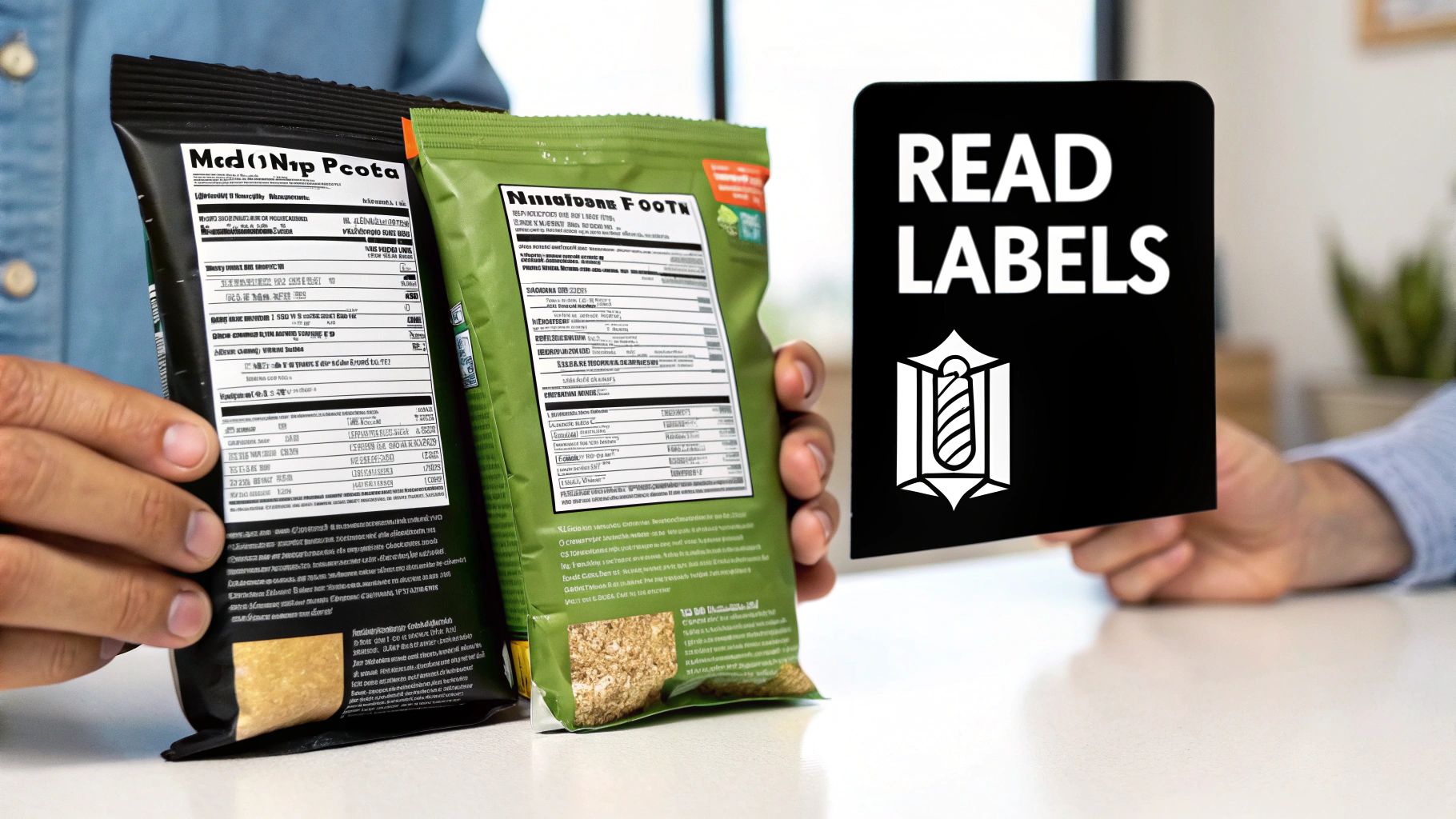
This simple check can reveal surprising truths. For instance, many so-called "healthy" protein bars contain as much sugar as a standard candy bar. By comparing products side-by-side, you can make smarter swaps. A typical wafer cookie might pack 12-15g of sugar, while a Rip Van Dutch-style wafel offers a satisfyingly sweet experience with significantly less sugar, making it a better choice. To find more great options, you can explore this detailed guide on the best low-sugar snacks.
How to Implement This Strategy
To make label-reading a quick and effective habit, follow these practical tips:
- Focus on Added Sugars: Aim for products with under 5 grams of added sugar per serving. This is sugar added during processing, not the naturally occurring sugars found in fruit or dairy.
- Prioritize Fiber: Look for snacks containing at least 3 grams of fiber. Fiber helps slow down sugar absorption, which can prevent sharp spikes in blood glucose.
- Use Technology: Take photos of your favorite snacks' labels for quick comparisons in the store. You can also use shopping apps that scan barcodes to display nutrition info instantly.
This video provides a great overview of how to decode food labels to find hidden sugars:
2. Replace Sugary Snacks with High-Fiber, Low-Sugar Alternatives
One of the most impactful ways to reduce sugar intake is to consciously swap your go-to sugary snacks for smarter, high-fiber alternatives. This strategy works because it addresses cravings directly without demanding deprivation. Instead of eliminating treats, you simply upgrade them. High-fiber snacks slow down sugar absorption, promoting stable blood sugar levels and increasing feelings of fullness, which helps prevent overeating later.
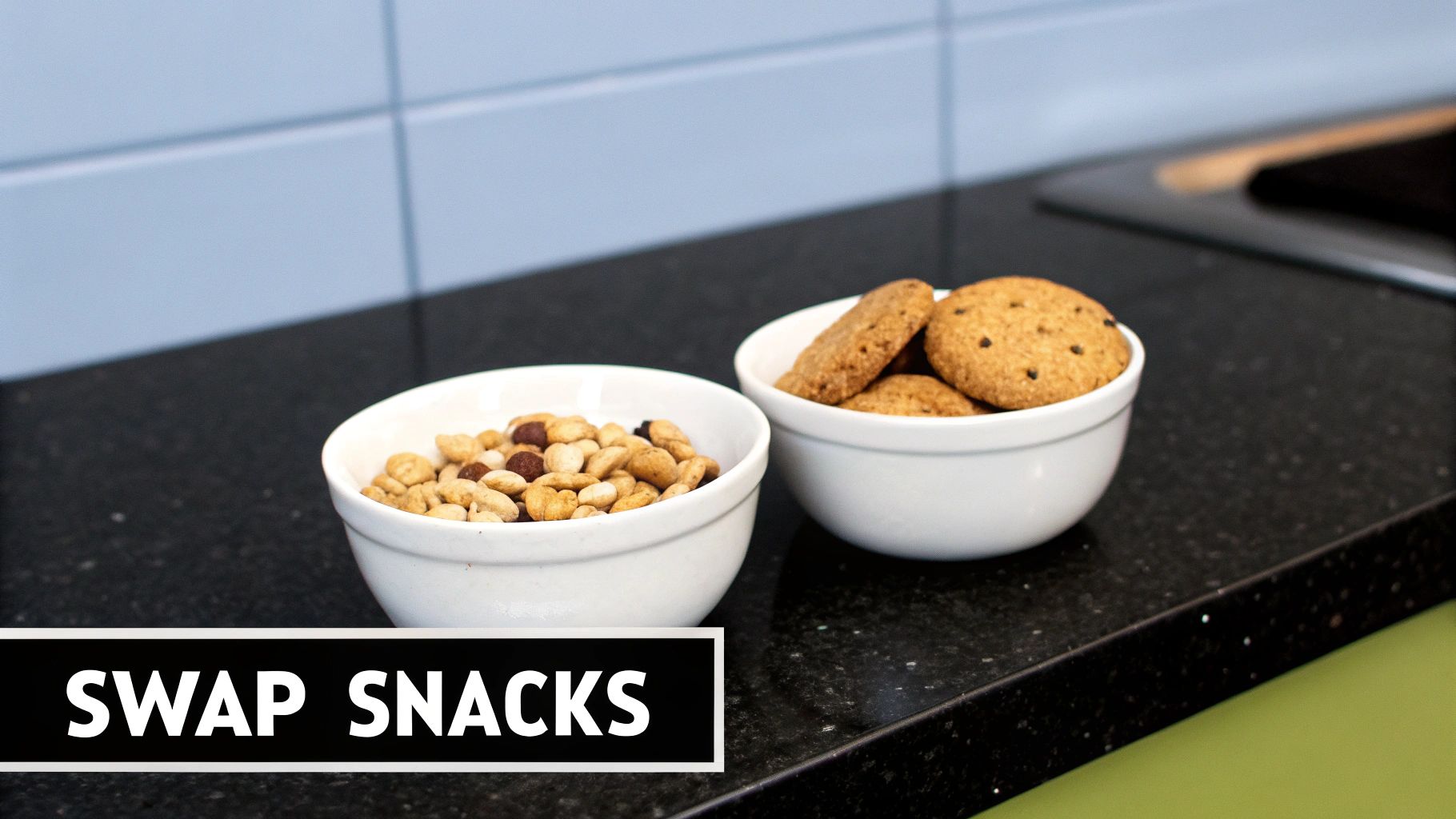
The key is finding replacements that satisfy your taste and texture expectations. For example, instead of a standard cookie with 12-15g of sugar, you could enjoy a Rip Van LEOS cookie that delivers a similar crunchy, creamy satisfaction with significantly less sugar. Likewise, trading a sugary chocolate bar for a Rip Van Crispy Choco variety provides that decadent flavor you crave while supporting your health goals. For more ideas, explore this guide to high-fiber, low-sugar snacks.
How to Implement This Strategy
Making this switch successful is all about setting yourself up for an easy transition. Use these tips to build a new snacking habit:
- Start with One Swap: Identify your most frequently consumed sugary snack and focus on replacing just that one item first. This makes the change feel manageable.
- Keep Replacements Visible: Place your new low-sugar snacks where you used to keep the old ones. Making them just as accessible removes friction.
- Find Flavors You Love: Try variety packs to discover which low-sugar options you genuinely enjoy. If you don't like the replacement, you won't stick with it.
- Track How You Feel: Pay attention to your energy levels and cravings after making the switch. Noticing positive changes can powerfully reinforce the new habit.
3. Plan and Prep Snacks in Advance
One of the most effective ways to reduce sugar intake is to tackle temptation before it strikes by planning and prepping your snacks ahead of time. This proactive approach eliminates decision fatigue and prevents you from reaching for high-sugar convenience items when hunger hits. By having delicious, low-sugar options ready to go, you set yourself up for success throughout the week.
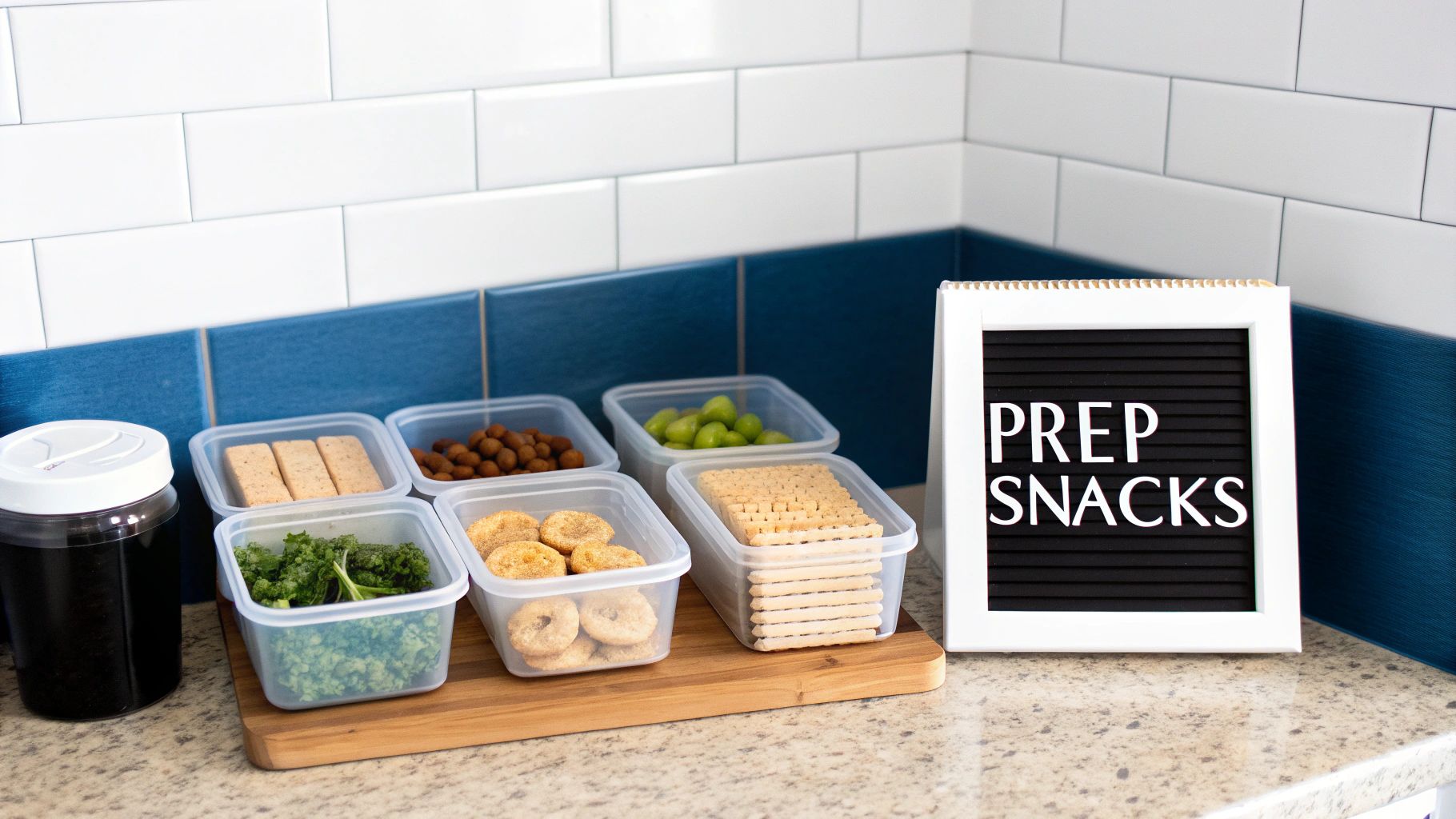
This strategy works for everyone. Professionals can keep Rip Van wafels at their desk for an afternoon energy boost without the sugar crash. Parents can pack weekly snack boxes with low-sugar cookies for kids' lunches, and students can stock their dorm rooms with smarter treats like Rip Van Crispy Dunes. The key is making the healthy choice the easy choice. You can explore a variety of these convenient options by browsing the full selection of low-sugar snacks.
How to Implement This Strategy
To make snack prepping a seamless part of your routine, follow these practical tips:
- Create a Weekly Snack Menu: Treat your snacks like your meals. On Sunday evening, plan what you’ll have each day and do the necessary prep work.
- Use Portion-Sized Containers: Divide snacks like nuts, fruit, and Rip Van cookies into grab-and-go bags or containers. This helps with portion control and convenience.
- Keep a Backup Supply: Store a few non-perishable, low-sugar snacks in your car, gym bag, and office drawer to avoid being caught unprepared.
- Involve the Family: Get everyone involved in choosing and prepping snacks for the week. This builds healthy habits and ensures everyone has options they enjoy.
4. Stay Hydrated and Distinguish Between Hunger and Thirst
A surprisingly effective method for reducing sugar intake involves something you already do every day: drinking water. The brain's signals for thirst and hunger originate from the same region, the hypothalamus, making it easy to mistake one for the other. By staying consistently hydrated, you can often eliminate sugar cravings that were actually just your body signaling a need for water.
This simple habit can lead to significant changes. For example, many office workers find that replacing a mid-afternoon candy habit with a water or herbal tea break drastically cuts their daily sugar consumption. The key is to address the initial signal (thirst) before assuming it's a craving for a sugary snack. By doing so, you give your body what it truly needs and sidestep unnecessary calories.
How to Implement This Strategy
To make hydration a powerful tool against sugar cravings, integrate these practices into your daily routine:
- Pause Before Snacking: When a craving hits, drink a full glass of water and wait 15 minutes. If the hunger persists, you know it’s genuine.
- Track Your Intake: Use a water bottle with time markers or set hourly phone reminders to ensure you’re drinking consistently throughout the day.
- Enhance Your Water: If plain water feels unappealing, infuse it with natural flavors like lemon, cucumber, mint, or berries for a refreshing, calorie-free alternative.
- Opt for Herbal Tea: A warm cup of unsweetened herbal tea can be a comforting and flavorful way to hydrate, especially when you crave something other than plain water.
5. Gradual Taste Preference Recalibration
One of the most sustainable ways to reduce sugar intake is to retrain your taste buds. This process involves gradually lowering your sugar consumption over several weeks, allowing your palate to adjust and find natural sweetness more satisfying. Instead of a jarring, restrictive approach, this method recalibrates your preferences so that processed, high-sugar foods start to taste overwhelmingly sweet and less appealing.
This taste recalibration is a well-documented phenomenon. Many people who commit to a low-sugar lifestyle for 6-8 weeks report that a regular cookie or soda suddenly tastes "too sweet." By slowly decreasing your sugar exposure, you give your brain and taste receptors time to adapt, which significantly reduces intense cravings and makes the transition feel more natural and less like a sacrifice.
How to Implement This Strategy
To effectively recalibrate your taste preferences without feeling deprived, follow these practical steps:
- Commit to a Timeline: Give yourself at least four weeks of consistent, reduced sugar intake. Avoid "cheat days" during this initial period, as they can reset your progress.
- Swap, Don't Eliminate: Instead of cutting out all treats, switch to flavorful low-sugar options. A satisfyingly crispy and chewy Rip Van wafel can ease the transition by providing a sweet experience without the sugar load.
- Focus on Flavor and Texture: Compensate for lower sweetness by choosing snacks with enjoyable textures. The combination of crispy, chewy, and rich flavors can make a low-sugar snack just as gratifying.
- Track Your Progress: Pay attention to improvements in your energy levels and mood. Recognizing these positive changes can reinforce your commitment and make the process more rewarding.
6. Eat Protein and Healthy Fats with Every Snack
One of the most effective ways to reduce sugar intake and manage its impact is by strategically pairing your snacks with protein and healthy fats. This approach doesn't just add nutritional value; it fundamentally changes how your body processes the carbohydrates and sugars you consume. Adding protein and fat slows down the absorption of glucose into the bloodstream, which helps prevent the sharp blood sugar spikes and subsequent crashes that lead to more cravings.
This simple combination can make a significant difference. For example, enjoying a Rip Van wafel on its own is a great low-sugar choice, but pairing it with a tablespoon of almond butter adds protein and healthy fats that increase satiety and keep you feeling full longer. Similarly, having a handful of walnuts alongside a Rip Van cookie transforms a light treat into a more substantial, blood-sugar-stabilizing snack. Research has even shown that combining protein, healthy fats, and low-glycemic carbs can reduce post-meal blood sugar spikes by over 40%.
How to Implement This Strategy
To make snack pairing a consistent habit, try these actionable tips:
- Follow the '3-Macro Rule': Aim for every snack to contain a source of carbohydrates (like a Rip Van snack), protein (nuts, cheese, yogurt), and healthy fat (avocado, nut butter).
- Prep Smart Snack Combos: During your weekly meal prep, portion out grab-and-go pairings. Think baggies of almonds, pre-sliced cheese, or hard-boiled eggs ready to be paired with a Rip Van treat.
- Keep Proteins Accessible: Store your Rip Van snacks near protein sources like nut butter jars, string cheese in the fridge, or a bowl of nuts on the counter to make the pairing effortless.
- Notice the Difference: Pay attention to how you feel two hours after a balanced snack versus a carb-only one. Recognizing the sustained energy and reduced cravings will reinforce this powerful habit.
7. Identify and Eliminate Hidden Sugar Sources
A significant portion of our daily sugar intake often comes from sources we don't even recognize as sweet. Auditing your diet to uncover these hidden sugars is a powerful way to reduce sugar intake without feeling like you're making major sacrifices. Seemingly harmless items like pasta sauces, salad dressings, flavored yogurts, and granola can pack a surprising sugar punch.
Uncovering these sugar traps allows you to make simple but impactful swaps. For example, a single serving of flavored yogurt can contain over 20 grams of sugar. Switching to plain Greek yogurt and crumbling in a Rip Van cookie adds a satisfying sweetness and crunch for only a few grams of sugar. Similarly, replacing a sugary coffee drink with a black coffee and a low-sugar snack on the side can eliminate up to 40 grams of sugar from your morning routine.
How to Implement This Strategy
To effectively find and replace hidden sugars, use these actionable tips:
- Start with Beverages: High-sugar drinks like sodas, juices, and sweetened coffees are often the biggest culprits. Replace them with water, seltzer, or unsweetened tea first for the most dramatic impact.
- Check Your Condiments: Ketchup, barbecue sauce, and salad dressings frequently contain 4-6 grams of sugar per tablespoon. Look for brands with "no sugar added" on the label.
- Audit Your Pantry for 3 Days: Keep a food log for a few days, paying close attention to the labels of everything you eat. Identify your top 2-3 highest hidden-sugar items and focus on finding replacements for them.
- Swap Smart for Breakfast: Many breakfast granolas contain 12-18g of sugar per serving. A better alternative is a Rip Van wafel with plain yogurt or milk, which provides a satisfying breakfast for only 3-4g of sugar.
8. Practice Mindful Eating and Slow Consumption
One of the most powerful ways to reduce sugar intake is not about what you eat, but how you eat it. Mindful eating involves paying full attention to the experience of eating and drinking, both inside and outside the body. By savoring each bite without distraction, you increase satisfaction from smaller portions and become more attuned to your body's natural hunger and fullness cues, which helps prevent mindless overconsumption of sugary treats.

This practice can have a dramatic impact. Studies show that people often consume significantly more snacks like cookies while watching TV compared to when they eat the same snack mindfully. When you slow down and truly taste your food, you allow your brain the time it needs to register satiety. A low-sugar snack like a Rip Van Stroopwafel can feel just as satisfying as a high-sugar dessert when you take the time to appreciate its crispy texture and sweet, gooey filling.
How to Implement This Strategy
To incorporate mindful eating into your routine, especially during snack time, try these practical tips:
- Create a Distraction-Free Zone: Designate a specific time and place for eating, away from screens, work, or other distractions. This simple change focuses your attention on the food.
- Portion It Out: Instead of eating directly from the package, place your snack in a small bowl or on a plate. This visual cue helps with portion control.
- Slow Your Pace: Set a timer for 15-20 minutes and aim to make your snack last the entire time. Put your utensil or the snack down between each bite.
- Engage All Senses: Before eating, notice the colors, smells, and textures. As you chew, mentally describe the flavors and sensations you experience. This deepens the experience and satisfaction.
9. Optimize Meal Timing and Regular Eating Patterns
One of the most powerful and often overlooked ways to reduce sugar intake is to establish a consistent eating schedule. When you eat balanced meals at regular intervals, you provide your body with a steady supply of energy, preventing the deep energy crashes that trigger intense cravings for quick-sugar fixes. This proactive approach helps stabilize blood sugar levels, reducing the likelihood of reaching for sugary snacks out of desperation.
This strategy is about structure, not restriction. For example, an individual who eats a balanced breakfast at 7 am, a planned snack at 10 am, and lunch at 1 pm is far less likely to experience a mid-afternoon slump than someone who skips breakfast and has a late lunch. By creating a predictable pattern, you take control of your hunger cues and significantly reduce unplanned snacking.
How to Implement This Strategy
To make consistent meal timing an effortless part of your routine, follow these practical steps:
- Plan Around Your Schedule: Map out your day and schedule meals and snacks every 3 to 5 hours. This prevents you from getting overly hungry and making impulsive food choices.
- Balance Every Meal: Ensure each meal contains a source of protein, healthy fats, and complex carbohydrates. This combination promotes satiety and slows down sugar absorption.
- Prepare Ahead: Batch-prep lunches and dinners to ensure you always have a balanced option ready. Keep healthy, portion-controlled snacks like a Rip Van Dutch-style wafel on hand for planned snack times.
- Set Reminders: Use your phone or calendar to set alarms for meal and snack times until the habit becomes automatic. This is especially helpful during busy workdays.
10. Build Community and Manage Emotional/Stress-Related Sugar Cravings
Reducing sugar intake is often more than just a dietary change; it's a behavioral and emotional journey. Tapping into community support and developing awareness of emotional triggers can provide the structure and motivation needed for long-term success. Accountability partners, group challenges, or online forums create a shared sense of purpose, making the process feel less isolating and more achievable.
This approach addresses two key hurdles: consistency and stress-eating. When friends or colleagues join a "sugar-free challenge," individual willpower is reinforced by group momentum. Simultaneously, learning to identify whether a craving stems from true hunger or from stress, boredom, or anxiety allows you to address the root cause instead of temporarily soothing it with sugar. Recognizing these patterns is a crucial step in breaking the cycle. For more ideas on what to eat when cravings strike, explore these healthy snack alternatives to junk food.
How to Implement This Strategy
Combine social accountability with self-awareness techniques to build a robust support system:
- Find an Accountability Partner: Schedule a brief weekly check-in (10-15 minutes) with a friend to discuss progress, challenges, and wins. Sharing your goals makes you more likely to stick to them.
- Practice the 'Pause and Feel' Technique: When a craving hits, stop for a moment. Ask yourself: "What am I feeling right now?" This simple pause can help you distinguish emotional urges from physical hunger.
- Develop Non-Food Coping Mechanisms: Create a short list of activities to turn to when you feel stressed or bored. This could include a 10-minute walk, listening to a favorite song, or calling a friend.
- Start a Snack Swap: Organize a group where members share their favorite low-sugar snack discoveries. Bringing a box of Rip Van wafels to the office is an easy way to start a conversation about healthier choices.
10-Point Comparison of Sugar-Reduction Strategies
| Strategy | Complexity 🔄 | Resources & Time ⚡ | Expected Results 📊 | Ideal Use Cases 💡 | Key Advantages ⭐ |
|---|---|---|---|---|---|
| Read and Compare Nutrition Labels Strategically | Low–Moderate — quick per product, some learning curve | Minimal per-item time (~30s); phone/apps helpful | Better product choices; uncover hidden sugars; moderate sugar reduction | Grocery shopping, product selection, label-aware consumers | Empowers informed choices, immediate impact, scalable |
| Replace Sugary Snacks with High-Fiber, Low-Sugar Alternatives | Moderate — requires taste testing and habit change | Moderate cost (may be higher); time to trial favorites | Immediate drop in sugar intake; increased satiety | Swapping everyday snacks; weight/glycemic control | Direct substitution, sustainable, preserves snacking habits |
| Plan and Prep Snacks in Advance | Moderate–High — planning and organization needed | Upfront prep time; storage space; bulk purchases save money | Fewer impulse buys; consistent low-sugar intake; cost savings | Busy professionals, parents, athletes, meal-preppers | Reduces impulse purchases, cost-effective, reliable access |
| Stay Hydrated and Distinguish Between Hunger and Thirst | Low — simple habit to adopt | Minimal cost; optional tracking tools; habit building time | Fewer unnecessary snacks; improved energy and cognition | Anyone prone to mistaking thirst for hunger | Zero-cost intervention, immediate health benefits |
| Gradual Taste Preference Recalibration | Moderate — requires sustained commitment (4–8 weeks) | 4–8 week adjustment period; consistent low-sugar options needed | Long-term reduction in cravings; permanent preference shift | People seeking durable dietary change | Durable behavior change, scientifically supported |
| Eat Protein and Healthy Fats with Every Snack | Moderate — requires pairing and prep | Need protein/fat sources; slight prep/time to assemble combos | Smoothed blood sugar; longer satiety; reduced subsequent intake | Active individuals, those managing glucose or appetite | Strong physiological satiety effect; supports muscle maintenance |
| Identify and Eliminate Hidden Sugar Sources | Moderate–High — requires audit and label literacy | Time to track intake (3 days audit); research substitutions | Large possible sugar reduction (high impact) | High-sugar consumers; those seeking big wins fast | High-impact swaps often with minimal lifestyle disruption |
| Practice Mindful Eating and Slow Consumption | Moderate — behavioral practice and focus required | Time per snack to eat slowly; practice to form habit | Smaller portions needed for satisfaction; less mindless eating | People who snack while distracted (TV/work) | Increases enjoyment, reduces intake, complements other tactics |
| Optimize Meal Timing and Regular Eating Patterns | Moderate — scheduling and meal prep discipline | Meal planning and prep time; consistent routine required | Fewer energy crashes; reduced unplanned snacking | Irregular schedulers, shift workers, athletes | Stabilizes energy, prevents cravings, improves portion control |
| Build Community & Manage Emotional/Stress-Related Cravings | High — social coordination and emotional work | Time to find/support groups; possible professional help | Better adherence; addresses root emotional triggers | Emotional eaters; those who benefit from accountability | Social accountability, long-term support, improved mental health |
Your Next Steps to a Low-Sugar Lifestyle
Navigating the path to a lower-sugar lifestyle can feel like a significant undertaking, but as we've explored, it's a journey built on small, intentional choices rather than drastic, overnight changes. You are now equipped with a comprehensive toolkit of ten powerful ways to reduce sugar intake, from strategically deciphering nutrition labels and eliminating hidden sugars to planning your snacks and recalibrating your taste preferences. The power of these strategies lies not in attempting to master them all at once, but in selecting the ones that resonate most with your current habits and needs.
The journey begins with a single, manageable step. Perhaps this week, your focus is solely on replacing one sugary afternoon drink with a glass of infused water. Or maybe you'll dedicate 20 minutes to prepping a batch of protein-rich snacks for the days ahead. These actions, however small they seem, create a powerful ripple effect. They build momentum, reinforce new habits, and gradually rewire your relationship with food, shifting it from one of restriction to one of empowerment and mindful nourishment.
Key Takeaways for Lasting Success
To truly solidify these changes, remember these core principles:
- Awareness is Your Foundation: The simple act of reading labels and identifying hidden sugar sources in everyday foods like sauces, dressings, and bread is often the most eye-opening step. This knowledge empowers you to make informed decisions before a product even makes it into your shopping cart.
- Preparation Defeats Impulse: Cravings often strike when you're unprepared. By having satisfying, low-sugar alternatives readily available, you remove the guesswork and make the healthier choice the easier choice. This is where planning snacks and meals becomes a non-negotiable tool for success.
- Consistency Over Perfection: There will be days when you indulge, and that's perfectly okay. The goal is not a flawless record but consistent progress. Focus on making better choices most of the time. Each healthy snack or meal is a victory that contributes to your long-term wellness goals.
Embracing these ways to reduce sugar intake does more than just benefit your physical health; it enhances your energy levels, sharpens your mental clarity, and helps you regain control over your cravings. Reducing added sugar also plays a crucial role in maintaining a healthy gut microbiome, which is foundational to overall well-being. As you solidify your commitment, you can delve deeper to understand the link between gut health and weight loss, offering additional benefits to your new lifestyle.
Ultimately, this journey is about progress, not perfection. Celebrate your small wins, be patient with yourself, and enjoy the profound benefits of fueling your body with intention and care. You have the knowledge and the strategies; now, it's time to take that first confident step.
Ready to make your snack swaps even easier? Discover how delicious low-sugar can be with Rip Van. Our cookies and wafers are crafted to deliver amazing taste with radically less sugar, making them the perfect, convenient option to support your health goals. Find your new favorite snack today.
0 comments