

Some days you want a bakery-style treat, but you also want breakfast to pull its weight. That usually happens on a rushed weekday morning, when coffee is brewing, your bag is half packed, and a cold protein bar sounds very unappealing. Apple oatmeal muffins fit that moment beautifully. They smell cozy, taste familiar, and can be built with enough thoughtfulness to feel like a smart choice instead of a detour.
They also solve a very specific baking problem. A lot of “healthy muffins” end up either dry and worthy or soft and overly sweet. Good apple oatmeal muffins land in the middle. You get tender oats, pockets of fruit, gentle spice, and a structure sturdy enough to hold together in a lunch bag.
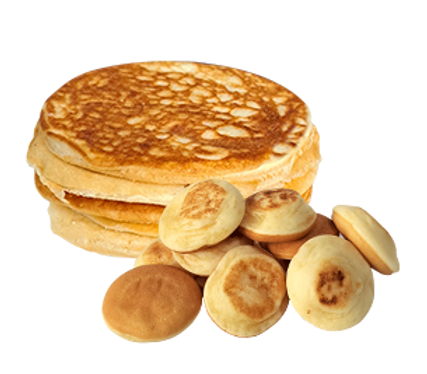
If you like keeping a few breakfast options in rotation, I also like having a separate non-muffin option on hand, such as these delicious pancakes from IFM Gourmet Food Store for slower mornings when you want something warm from the skillet.
The Perfect Wholesome Muffin for Cozy Mornings
There’s a reason apple oatmeal muffins keep showing up when the weather cools off or energy dips in the afternoon. Apples and cinnamon do a lot of emotional heavy lifting. Oats make the muffin feel grounding instead of cakey. When you bake them well, the kitchen smells like you planned your life better than you did.

I reach for this style of muffin when I want something flexible. It works as breakfast with yogurt, as an afternoon snack with tea, or as a lunchbox extra that feels homemade without being fussy. That flexibility matters more than people think. A recipe you can adapt is the one you bake again.
Why these muffins earn a regular spot
Apple oatmeal muffins are appealing because they balance comfort and restraint. They can carry whole grains, fruit, and moderate sweetness without feeling like a compromise. They also invite small adjustments. You can push them heartier, lighter, lower sugar, or more dessert-like depending on what you need that week.
A good muffin should feel satisfying on its own, not dependent on a frosting, glaze, or a lot of apologizing.
That’s the sweet spot here. You’re not chasing perfection. You’re building a muffin that tastes good warm from the pan and still tastes good the next day.
What makes them different from standard apple muffins
Classic apple muffins often lean fluffy and sugary. Apple oatmeal muffins have more texture and more staying power. Oats hold moisture differently than flour alone, and diced apple gives you little bursts of softness throughout the crumb.
A few things make them especially useful:
- They’re forgiving: Slightly uneven apple pieces or a rustic batter won’t ruin the result.
- They welcome swaps: Flour choices, sweeteners, and mix-ins can shift based on your dietary needs.
- They suit real life: You can make a batch ahead and shape breakfast around it for several days.
Gathering Your Ingredients for Perfect Apple Oatmeal Muffins
The ingredient list for apple oatmeal muffins looks simple, but each choice changes texture, sweetness, and how filling the final muffin feels. If you understand what each ingredient is doing, you can troubleshoot almost everything before the batter even hits the pan.

Choosing apples that hold their shape
For baking, I like apples that bring both sweetness and brightness. If your apple is too soft, it can disappear into the batter. If it’s all tartness, the muffin can taste flat unless the sweetener and spice are adjusted carefully.
A good rule is to pick an apple that still tastes lively after heat hits it. Dice it fairly small so it softens in the oven and distributes evenly. Tiny, even pieces also help each muffin bake more consistently.
Here’s what to watch for:
- For a brighter flavor: Use a sweet-tart apple. It keeps the muffin from tasting one-note.
- For softer bites: Choose a naturally juicy apple, but avoid letting the pieces get too large.
- For easier mixing: Leave the peel on if you like texture and color, or peel it if you want a more uniform crumb.
Why rolled oats work best
Old-fashioned rolled oats are the best fit here. They soften enough to become tender, but they still contribute a pleasant, hearty texture. Quick oats break down faster and can make the batter feel mushier. Steel-cut oats stay too firm for this style of muffin unless you redesign the whole recipe around them.
The oats aren’t just filler. They change how the muffin drinks in moisture and how full you feel after eating one. That’s part of why apple oatmeal muffins feel more substantial than a standard coffee-shop muffin.
Practical rule: If you want a muffin with texture, use rolled oats. If you want a batter that behaves predictably, skip steel-cut oats.
Flour, sweetener, and spice choices
Flour is where you decide between softness and heartiness. All-purpose flour gives a lighter crumb. A partial swap with whole wheat flour creates a denser, more rustic muffin. Neither is wrong. It depends on whether you want something gentle with coffee or something that feels more like a small meal.
Sweetener matters for more than flavor. It affects browning and moisture. If you reduce it significantly, expect a less golden top and a less tender crumb unless you compensate elsewhere with ingredients that add moisture.
Cinnamon is the base note, but nutmeg supports it beautifully in apple oatmeal muffins. Keep spice measured enough that the apple still reads as apple.
A short visual walkthrough can help if you like seeing ingredient prep before mixing:
Dairy and moisture builders
Milk gives the oats something to absorb. Yogurt adds body and tang. Fat, whether from butter or oil, softens the crumb and rounds out the flavor. Eggs bind everything and help the muffins rise with some structure instead of spreading into squat, damp tops.
If you make substitutions, think in function, not just category. Swapping one liquid for another isn’t always neutral. Some ingredients sweeten, some thicken, some tenderize. The best bakers keep that in mind before they stir.
The Step-by-Step Baking Process From Start to Finish
Technique matters more than people expect with apple oatmeal muffins. The ingredients are humble, but the order and handling make the difference between tender and dense.
Start by soaking the oats
The single most useful technique here is soaking rolled oats before they go into the batter. According to expert apple oatmeal muffin methodology, soaking rolled oats in milk and Greek yogurt for 10 to 15 minutes improves texture and nutritional absorption, and recipes using this approach typically bake in 17 to 19 minutes instead of 25 to 30 minutes, a 37 to 44 percent reduction in baking time.
That soak changes the entire personality of the muffin. Instead of asking dry oats to hydrate suddenly in the oven, you give them a head start. The batter becomes more cohesive, and the crumb bakes up softer and more even.

Prepare the apples and spice mixture
While the oats soak, prep the apples and dry ingredients. Dice the apple small enough that each bite gets fruit, but not so fine that the pieces melt away completely. Whisk the spices, leaveners, salt, and flour separately so you don’t end up chasing pockets of baking powder through a wet batter.
This is also the moment to decide what kind of muffin you want. If you prefer a cleaner apple flavor, keep the spice hand light. If you want a warmer bakery feel, lean more into cinnamon and supporting spice.
A few habits help here:
- Keep the dice small: Large chunks create wet gaps and make the muffins more likely to break apart.
- Mix dry ingredients well: Even distribution matters in a batter that already has texture from oats and fruit.
- Prep the pan early: Once the wet and dry ingredients meet, you want to portion the batter without delay.
Combine wet and dry gently
Once the oat mixture is ready, stir together your wet ingredients until smooth. Then bring the soaked oats into that mixture. Add the dry ingredients and fold, don’t beat. Fold in the apples at the end.
Many homemade muffins go wrong because of overmixing. It develops too much structure and squeezes tenderness out of the crumb. You’re not looking for a perfectly sleek batter. You want no obvious dry streaks and no more.
If the batter looks a little rustic, that’s usually a good sign. Muffin batter should look lived-in, not polished.
The batter should be thick enough to scoop, not pour. If it seems soupy, the apples may have released extra liquid or your oat soak ran too loose. If it feels heavy and stiff, too much flour may have gone in.
Fill the pan and bake until just done
Portion the batter evenly into the muffin tin. Fill each cup generously enough to get a nicely domed top without pushing the batter over the edge. A scoop helps, but a spoon works fine if you stay consistent.
Bake until the tops look set and lightly golden. The best doneness check is still the center test. Insert a toothpick into the middle of a muffin. If it comes out without wet batter, they’re ready. A few moist crumbs are fine.
For more baking inspiration in the same spirit, I like browsing Rip Van recipe ideas when I want practical snack-friendly ideas that fit real schedules.
Cool them with restraint
Let the muffins rest in the pan briefly, then move them to a rack. If they stay in the pan too long, steam can soften the bottoms. If you tear into them too early, the crumb may seem gummy because it hasn’t set yet.
What works best is a little patience. Warm is ideal. Hot can be misleading. A muffin that seems too soft straight from the oven often settles into the perfect texture after a short rest.
Healthy Customizations for Every Diet and Lifestyle
Apple oatmeal muffins become especially useful. One base idea can branch into several versions, but every swap changes more than the label on the recipe. Texture shifts. Sweetness lands differently. Structure can weaken or improve depending on what you replace.
One major gap in apple oatmeal muffin content is nutrition clarity. As noted in this review of healthy apple oatmeal muffin recipe content, many recipes skip macronutrient breakdowns and glycemic context, which leaves health-conscious bakers calculating net carbs and protein on their own. That’s why I prefer giving decision-making guidance even when a precise nutrition panel isn’t available.
How to think about swaps without ruining the muffin
Low-sugar, gluten-free, and keto-friendly versions can all work, but they don’t behave the same way in the bowl. A lower-sugar muffin usually browns less and may taste less “round.” A gluten-free muffin can be more delicate. A keto-style version often needs a full rethink because oats and apples both contribute carbohydrates.
If you want flavor first and a lighter nutrition profile second, make small changes. If you need the recipe to fit a strict dietary goal, be prepared for a muffin that eats differently from the classic version.
For readers exploring lower-carb snack choices more broadly, what keto-friendly means is a helpful starting point for understanding the label before you start swapping ingredients.
Muffin Customization Swaps
| To Achieve This Goal | Replace This Ingredient | With This Alternative |
|---|---|---|
| Lower added sugar | Part of the sweetener | A reduced amount of sweetener plus extra cinnamon and vanilla for perceived sweetness |
| More fiber-forward texture | All-purpose flour | A partial whole grain flour swap or a spoonful of seeds |
| Gluten-free version | Standard flour and conventional oats | A gluten-free flour blend and certified gluten-free oats |
| Dairy-free version | Milk and yogurt | Unsweetened nondairy milk and a thick unsweetened dairy-free yogurt |
| Keto-style direction | Oats, flour, and traditional sweetener | Almond flour, coconut flour in a smaller amount, and a keto-friendly sweetener |
| Softer fruit flavor | Fresh diced apple | A combination of very finely diced apple and unsweetened applesauce |
| More filling version | Part of the liquid | Greek yogurt or another thick cultured dairy option if it fits your diet |
What each path tastes like in practice
A low-sugar version still works well if you’re realistic. Expect less browning and a less dessert-like finish. Cinnamon, nutmeg, vanilla, and a flavorful apple do more work when sweetness is reduced. If you want ideas for coffee-friendly flavor boosters that don’t lean on sugar, these sugar-free alternatives can spark useful pairing ideas.
A gluten-free version can be excellent, but watch fragility. Oats and fruit both retain moisture, and many gluten-free flour blends need enough rest time to hydrate fully. Let the baked muffins cool thoroughly before moving them if they seem delicate.
A keto-style version is the biggest departure. Once oats and apples come out or get sharply reduced, you’re no longer making the same muffin in a strict sense. You’re making an apple-inspired, spiced breakfast bake. That can still be delicious, but it’s better to treat it as its own formula instead of expecting a perfect replica.
The fastest way to get disappointed is to make a major dietary swap and expect the original texture. Bake for the version you want, not the memory of a different muffin.
Smart customization priorities
If I were guiding someone through their first adapted batch, I’d suggest this order:
- Start with sweetness: It’s the easiest lever to adjust without collapsing structure.
- Then change flour: This affects crumb and tenderness more noticeably.
- Change oats last: Oats are central to the identity of apple oatmeal muffins. Replace them only if your diet requires it.
- Keep spice steady at first: Too many simultaneous changes make troubleshooting harder.
That approach gives you useful feedback from each batch instead of one confusing result.
Storing, Serving, and Pairing Your Homemade Muffins
Freshly baked muffins get most of the attention, but storage decides whether they’re a pleasure on day two or a disappointment by evening. Apple oatmeal muffins hold moisture well, which is good for tenderness and tricky for portability.

A common weakness in homemade muffin advice is that it stops at “store in an airtight container.” The broader issue, highlighted in this discussion of apple oatmeal muffin storage and portability gaps, is that many recipes don’t address crumbling in transit, moisture buildup, or the convenience difference between homemade snacks and professionally packaged shelf-stable ones.
How to store them without trapping too much moisture
The enemy isn’t just staleness. It’s condensation. Warm muffins sealed too early will soften on top and sometimes turn tacky around the edges. Let them cool fully before storing.
For short-term storage, keep them in a container lined with a paper towel. That small step helps absorb surface moisture. If your kitchen runs warm or the muffins contain a lot of fruit, refrigeration is often the safer choice, though it can firm the crumb.
Use this practical approach:
- For the counter: Store only fully cooled muffins in a container with a little airflow or a paper towel lining.
- For the fridge: Rewarm before eating so the crumb softens and the spice aroma returns.
- For the freezer: Freeze individually so you can pull out one at a time without thawing the whole batch.
Making them more portable
Transport changes everything. A muffin that’s perfect on a plate can fall apart in a backpack. If you want these for commuting, choose a slightly sturdier bake. That usually means a firmer crumb, smaller apple pieces, and full cooling before packing.
Wrap each muffin individually if you’re taking it on the go. Hard containers protect domed tops better than soft bags. If the muffin is especially tender, tuck it beside something firm in your lunch bag so it doesn’t get crushed.
Homemade muffins travel best when you bake with the trip in mind, not just the first warm bite at home.
Best ways to serve them
Serving is where you can shift them from practical to memorable. A warm muffin with nut butter feels like breakfast. Split and toasted, it becomes more substantial. Crumbled over thick yogurt, it turns into a fast snack bowl with texture built in.
A few favorite serving ideas:
- With plain yogurt: The tang balances the apple and spice nicely.
- Lightly warmed with butter or nut butter: This makes a modest muffin feel more complete.
- As a snack board element: Add fruit, cheese, or nuts for a more balanced plate.
- Crumble and layer: Use pieces of muffin as a topping over yogurt for a quick parfait-style breakfast.
When baking doesn’t fit the day
There are also days when even an easy batch of muffins doesn’t happen. That’s where having a ready-to-grab snack matters. Homemade baking is satisfying, but convenience counts too, especially for work bags, campus days, and long errands. A portable option with a consistent texture and a clear nutrition profile fills a different role than something fresh from the oven. Both can belong in a sensible snack routine.
Frequently Asked Questions About Apple Oatmeal Muffins
Can I make these muffins vegan
Yes, but don’t swap everything casually and hope for the best. Use a nondairy milk, a thick plant-based yogurt, and an egg substitute you already trust in baking. Vegan versions can be slightly more delicate, so cool them fully before removing from the pan.
Why did my muffins turn out dense or dry
The usual causes are overmixing, too much flour, or not enough moisture. Dense muffins often come from stirring until the batter is smooth. Dry muffins can also happen when apple pieces are too large and the crumb around them overbakes before the center is ready.
Can I use applesauce instead of fresh apples
You can use some applesauce, but it changes the texture. Fresh apples give distinct bites and a more structured muffin. Applesauce adds moisture and softness, so if you swap heavily in that direction, expect a more uniform and less chunky interior.
What other fruits work well with this recipe
Pear is a natural substitute. Blueberries also work if you want a lighter, less autumn-specific muffin. If you use a wetter fruit, keep an eye on the batter and avoid overloading it.
How can I make the muffins feel more filling
Pair them with protein or fat instead of trying to force the muffin to do everything. Yogurt, nuts, or nut butter help. If you’re thinking more broadly about how ingredients contribute to fullness and digestion, this explanation of soluble and insoluble fiber is useful context.
Should I peel the apples
Not necessarily. Peel-on apples add a little texture and color, and many bakers prefer that. If you want a softer, more uniform crumb, peel them.
If you love cozy homemade baking but also need dependable grab-and-go options, take a look at Rip Van. Their better-for-you snacks are built for moments when you want something satisfying, portable, and aligned with lower-sugar goals, even when there’s no time to bake a batch of apple oatmeal muffins.
1 comment
<ahref=" https://flowersweetsuk.com/product/randm-tornado-9000/" rel="dofollow">Randm tornado 9000
<ahref=" https://flowersweetsuk.com/product/elux-vape/" rel="dofollow">Elux vape
<ahref=“https://flowersweetsuk.com/product/tusyo-2g-vape/” rel="dofollow">TUSYO 2g vape
<ahref=" https://flowersweetsuk.com/product/lost-mary-flavours/" rel="dofollow">Lost mary flavours
<ahref=" https://flowersweetsuk.com/product/innokin/ " rel="dofollow">Innokin
<ahref=" https://flowersweetsuk.com/product/gassed-up-vape-2g/" rel="dofollow">Gassed up vape 2g
<ahref=" https://flowersweetsuk.com/product/the-cali-company/" rel="dofollow">The cali company
<ahref=“https://flowersweetsuk.com/product/the-10-10-boys-vape/” rel="dofollow">The 10/10 boys vape
<ahref=" https://flowersweetsuk.com/product/expensive-shit-1g-vape/" rel="dofollow">Expensive shit 1g vape
<ahref=" https://flowersweetsuk.com/product/ske-crystal-4-in-1/" rel="dofollow">Ske crystal 4 in 1
<ahref=" https://flowersweetsuk.com/product/packman-vape/" rel="dofollow">Packman vape
<ahref=“https://flowersweetsuk.com/product/family-high-range/” rel="dofollow">Family high range
<ahref=" https://flowersweetsuk.com/product/family-high-edibles/" rel="dofollow">Family high Edibles
<ahref=“https://flowersweetsuk.com/product/thc-edibles-uk/” rel="dofollow">Thc Edibles uk
<ahref=" https://flowersweetsuk.com/product/blue-razz-gummy-bear/" rel="dofollow">Blue razz gummy bear
<ahref=" https://flowersweetsuk.com/product/pre-rolls/" rel="dofollow">Pre rolls
<ahref=" https://flowersweetsuk.com/product/moon-rock-weed/" rel="dofollow">Moon Rock weed
<ahref=“https://flowersweetsuk.com/product/bruce-banner-strain/” rel="dofollow">Bruce Banner strain
<ahref=“https://flowersweetsuk.com/product/rainbow-runtz-strain/” rel="dofollow">Rainbow runtz strain
<ahref=" https://flowersweetsuk.com/product/wagyu-strain/" rel="dofollow">Wagyu strain
<ahref=" https://flowersweetsuk.com/product/candy-rain-strain/" rel="dofollow">Candy rain strain
<ahref=" https://flowersweetsuk.com/product/blue-nerds-strain/" rel="dofollow">Blue nerds strain
<ahref=“https://flowersweetsuk.com/product/candy-runtz-strain/” rel="dofollow">Candy runtz strain
<ahref=" https://flowersweetsuk.com/product/granddaddy-purple/ " rel="dofollow">Granddaddy Purple
<ahref=“https://flowersweetsuk.com/product/white-truffle/” rel="dofollow">White Truffle
<ahref=" https://flowersweetsuk.com/product/gelato-41-strain/" rel="dofollow">Gelato 41 strain
<ahref=" https://flowersweetsuk.com/product/thai-stick/" rel="dofollow">Thai stick
<ahref=“https://flowersweetsuk.com/product/gelato-41/” rel="dofollow">Gelato 41
<ahref=" https://flowersweetsuk.com/product/lemon-cherry-gelato-strain/" rel="dofollow">Lemon cherry gelato strain