

Most Americans get only about 15 grams of fiber daily, while children and adults need at least 25 to 35 grams for good health. Practical high-fiber diet examples rely on legumes, whole grains, fruit, vegetables, nuts, and seeds, with portable snacks filling the gaps between meals.
That shortfall isn't a matter of willpower. Busy schedules, refined convenience foods, and meals built around meat or dairy can leave fiber out without making the plate look obviously unbalanced. The answer isn't just eating more food. It's choosing fiber-dense ingredients and distributing them across meals and snacks so the target feels manageable.
The Fiber Gap in American Diets
Harvard Health reports that most Americans consume only about 15 grams of fiber per day, even though children and adults need at least 25 to 35 grams daily for good health. Its broader recommendation is 14 grams per 1,000 calories, which gives people a useful way to think about fiber beyond a single universal number. Harvard Health's fiber guidance puts the problem in practical terms: many people aren't slightly below their target, they're consistently missing a substantial portion of it.
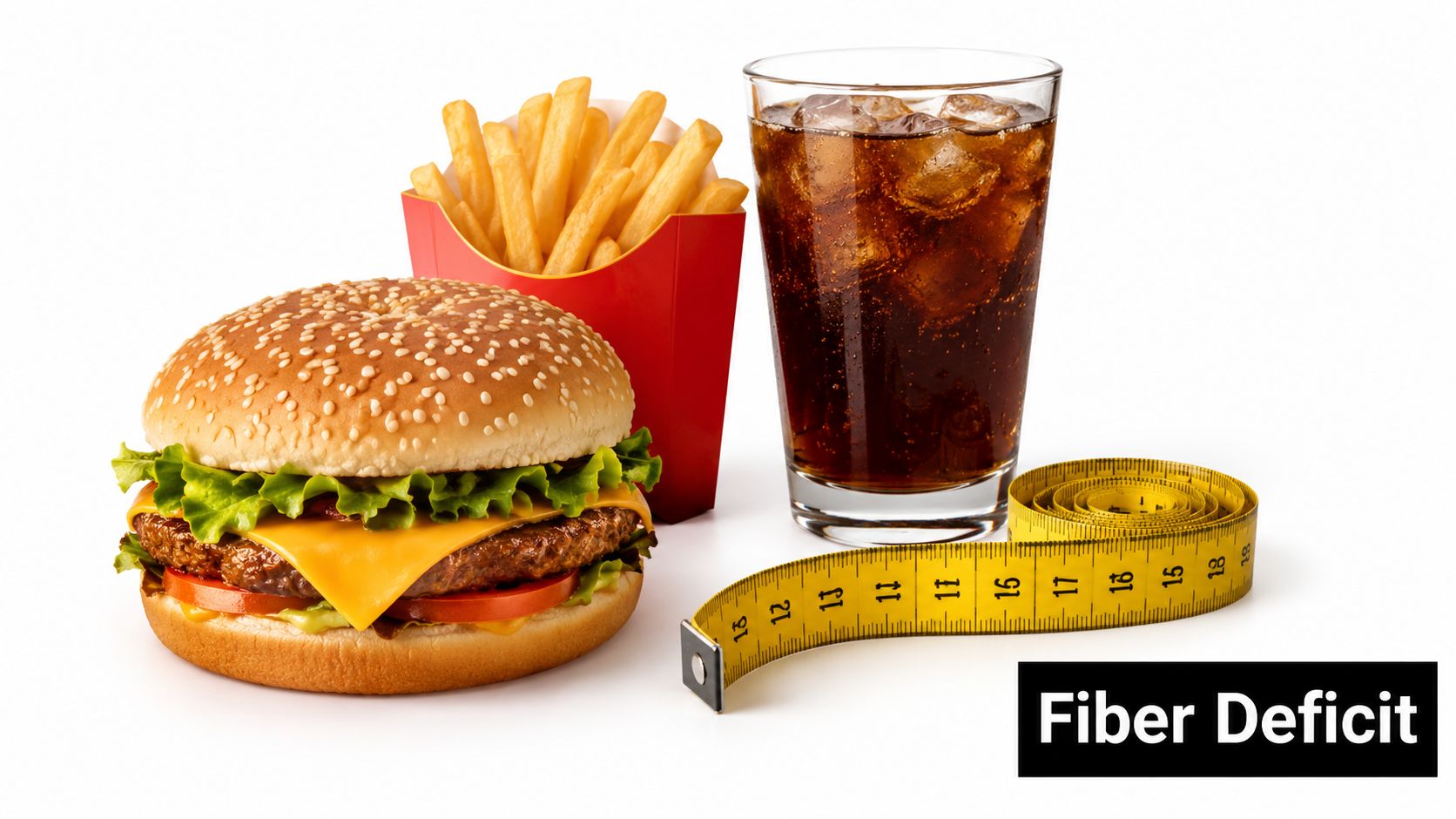
Why everyday meals fall short
Fiber occurs naturally in plant foods. Meat, fish, eggs, and dairy can provide useful nutrients, but they don't supply dietary fiber. A breakfast of eggs and toast, a lunch of deli meat and cheese, and a dinner centered on meat with a small side of vegetables can therefore feel filling while contributing little fiber.
Refined grains and highly processed snacks create another common gap. They're convenient and often appealing, but they usually displace beans, whole grains, fruit, vegetables, nuts, and seeds, the foods that make it easier to reach a daily target without excessive food volume.
The shortfall matters because fiber supports several systems at once. Soluble fiber is associated with improved glycemia and insulin sensitivity, while higher overall intake is linked with softer stools, greater fecal weight, and faster gut transit in adult trial data. Observational evidence also shows that people with the highest fiber intake had about 16% to 24% lower risk of dying from major cardiometabolic and cancer outcomes than low-intake groups, with additional benefit associated with each extra 8 grams per day. The Nutrition Reviews analysis explains why fiber deserves attention as a regular dietary pattern, not a one-off supplement.
Practical rule: Build the meal around the fiber source instead of treating vegetables or beans as an afterthought.
For people who struggle to get enough from food, a vegan fiber supplement from Yuve can offer another option to discuss with a healthcare professional. It shouldn't replace a varied diet, especially because whole plant foods also contribute texture, flavor, and other nutrients.
How to Calculate Your Daily Fiber Target
A useful starting point is simple:
Daily fiber target = daily calories ÷ 1,000 × 14 grams.
Someone eating 2,000 calories per day would multiply two by 14 and arrive at an approximate target of 28 grams of fiber. That number is a planning tool, not a requirement to count every gram forever. It helps you judge whether a breakfast, lunch, or snack pattern is likely to close the gap.
Your age and sex can also shape the target. Mayo Clinic lists 21 grams for women older than 50, 25 grams for women 50 or younger, 30 grams for men older than 50, and 38 grams for men 50 or younger. These figures appear alongside practical food guidance in this daily fiber target guide, which can help you compare a general calorie-based estimate with an age- and sex-specific benchmark.
Use the number to plan meals
Once you have a target, divide it mentally across the day rather than trying to reach it at dinner. A breakfast with oats or bran cereal, a lunch containing beans or lentils, and a snack built around fruit and nuts can cover most of a daily goal before dinner. The exact combination depends on appetite, culture, budget, and tolerance.
For a person aiming for 28 grams, one practical structure might look like this:
- Breakfast: Aim for a substantial fiber base from oats, bran cereal, berries, or another whole-grain combination.
- Lunch: Make legumes the centerpiece of a soup, salad, grain bowl, wrap, or stew.
- Snack: Pair fruit with nuts, seeds, or a portable high-fiber packaged option.
- Dinner: Choose a whole grain and add a generous serving of vegetables.
Whole foods should do most of the work. Supplements may be useful in selected situations, but they won't provide the same range of food textures and accompanying nutrients found in legumes, produce, whole grains, nuts, and seeds. If you have a digestive condition or take medication that affects digestion or blood sugar, ask a qualified clinician before making a major change.
Complete High Fiber Diet Examples for a Day
A workable high-fiber day doesn't need to look like a bowl of beans at every meal. It can include familiar foods, repeatable preparation, and snacks that travel well.
Start with oatmeal topped with raspberries. One cup of raspberries provides 8.0 grams of fiber, according to Mayo Clinic's food chart. If you prefer cereal, choose a bran cereal that provides 9 grams or more per serving, then add fruit for flavor and volume.
Lunch can carry much of the day's fiber without requiring a huge portion. One cup of boiled lentils provides 15.5 grams, while one cup of boiled black beans provides 15.0 grams. Add either to a grain bowl, soup, salad, or taco filling. If a full cup feels too substantial, begin with a smaller portion and distribute the rest across another meal. Mayo Clinic's high-fiber food chart provides the serving-based figures for legumes, berries, grains, and vegetables used here.
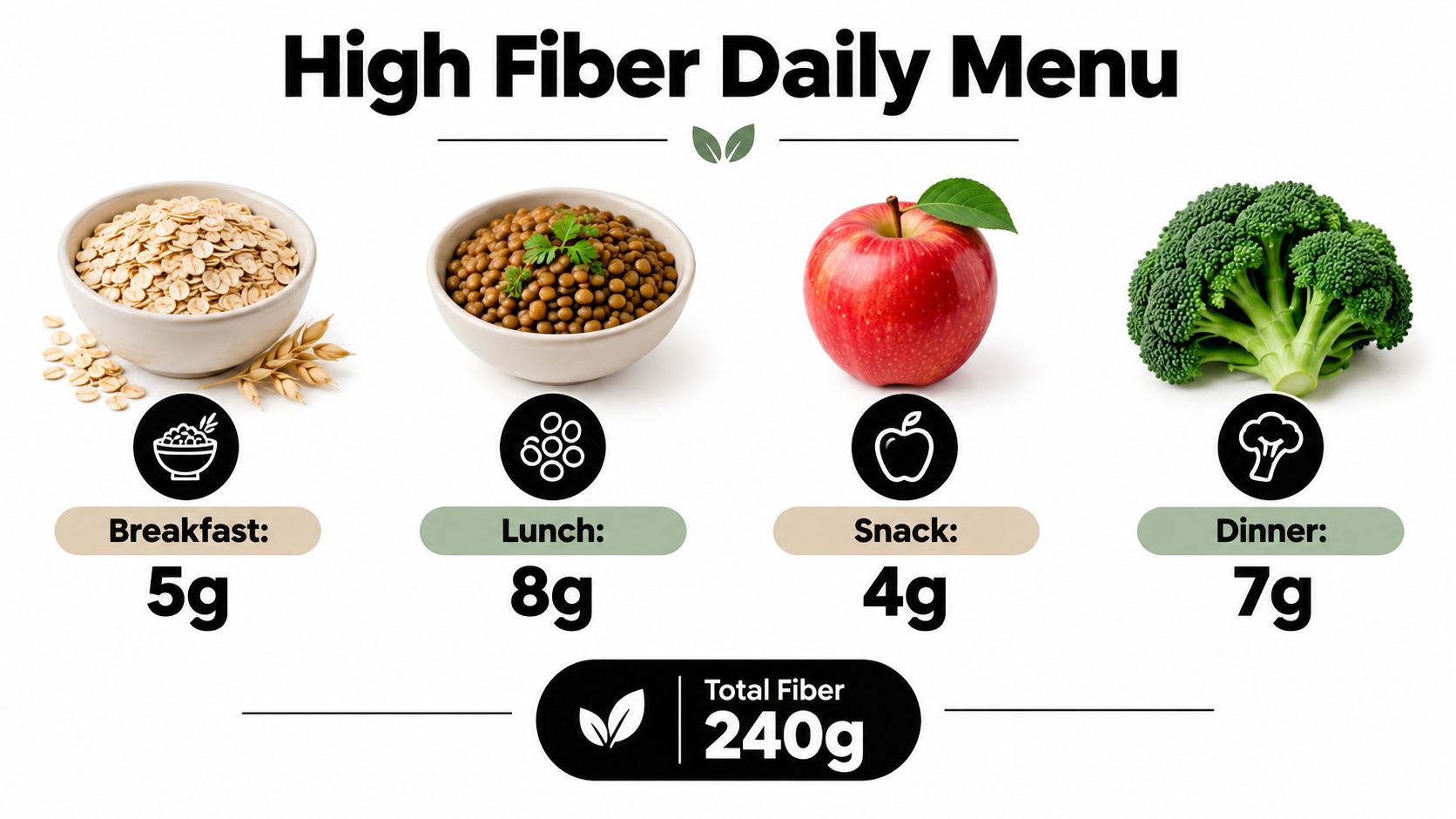
A sample day at a glance
| Meal | Food Example | Fiber (grams) |
|---|---|---|
| Breakfast | Oatmeal with one cup of raspberries | 8.0 grams from raspberries |
| Morning snack | A medium orange | 3.0 grams |
| Lunch | One cup of boiled lentils with vegetables | 15.5 grams from lentils |
| Afternoon snack | Fruit paired with nuts or seeds | Varies by combination |
| Dinner | One cup of cooked pearled barley with one cup of chopped boiled broccoli | 6.0 grams from barley, 5.0 grams from broccoli |
Dinner can stay familiar. One cup of cooked whole-wheat spaghetti or one cup of cooked pearled barley provides 6.0 grams, and one cup of chopped boiled broccoli provides 5.0 grams. A medium baked potato with its skin contributes 4.0 grams, making the skin an easy upgrade when potatoes are already on the menu.
Portable snacks keep the plan from collapsing between meals. Pack an orange, raspberries in a sealed container, roasted legumes, nuts, seeds, or a packaged snack with a meaningful fiber contribution. The point isn't to make every snack perfect. It's to avoid letting a busy commute, school pickup, or long meeting turn the entire afternoon into a low-fiber stretch.
For more meal combinations, these top high fiber foods for satiety can help you compare ingredients by how easily they fit into filling meals. A separate fiber-rich diet plan can also provide ideas for rotating legumes, grains, produce, and seeds without relying on the same bowl every day.
High Fiber Snack Swaps That Actually Taste Good
Snacking is where many otherwise sensible plans break down. A person may eat lentils at lunch, then reach for a low-fiber sweet or salty snack because it's portable, familiar, and available. The practical solution is to keep satisfying options within reach, not to pretend cravings disappear.
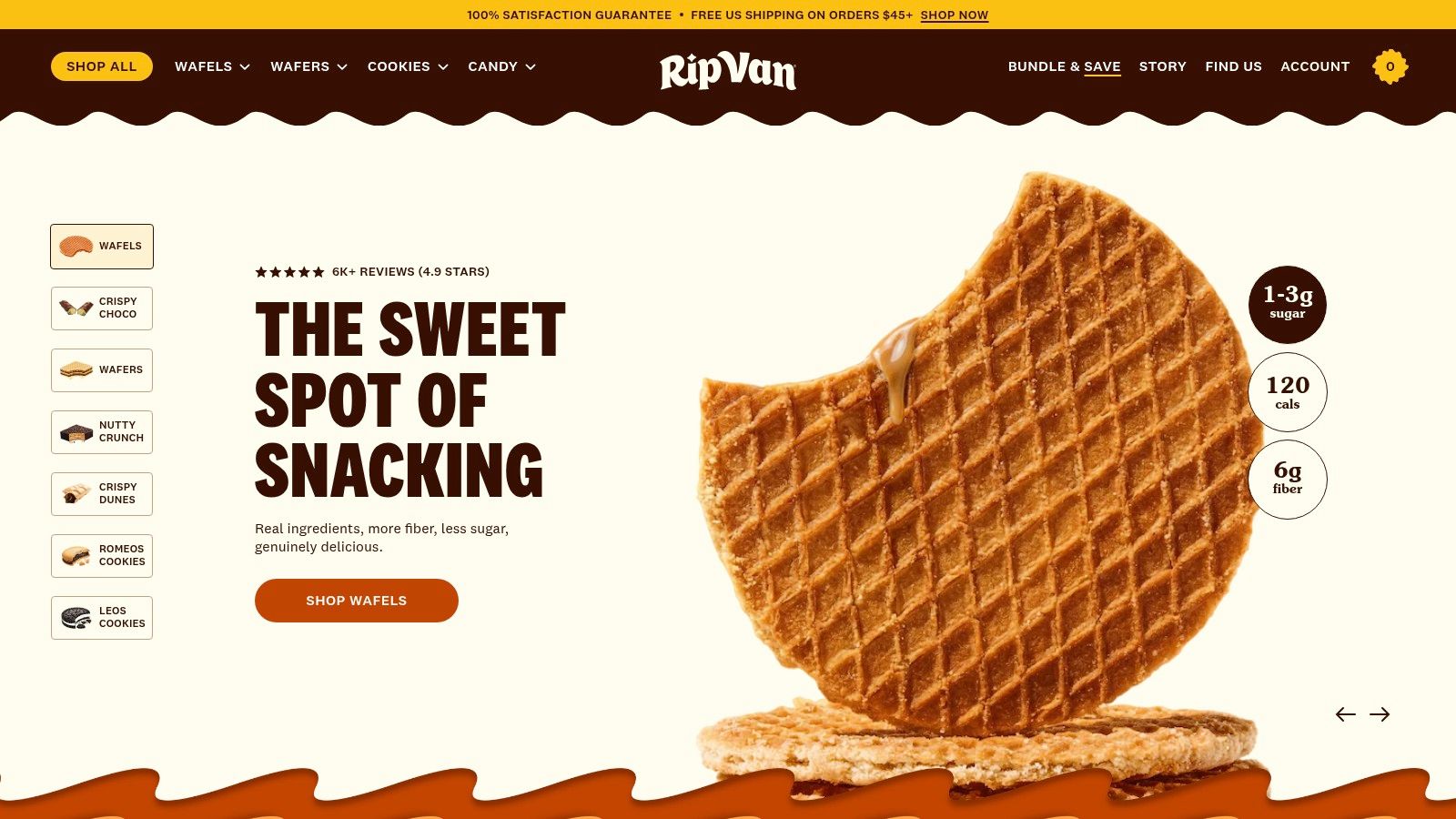
Rip Van makes Dutch-style wafels, crispy wafers and wafer bars, LEOS and Romeos cookies, and Crispy Dunes and Crispy Choco varieties. The range is positioned around lower sugar, no corn syrup, no artificial sweeteners, natural flavors, and higher fiber than many popular alternatives, with product browsing options that include gluten-free, keto, low-sugar, and vegetarian preferences. That makes these snacks one possible bridge between whole-food fiber sources and the daily reality of eating at a desk, in a car, or between appointments.
Compare the role, not just the label
A traditional cookie, candy, or refined snack may satisfy a craving but contribute little fiber. A fruit-and-nut combination supplies recognizable plant foods, while a packaged high-fiber treat offers portability and portion convenience. Each option has a place, but the trade-off is different.
| Snack Type | Fiber (grams) | Sugar (grams) |
|---|---|---|
| One cup of raspberries | 8.0 grams | Not specified in the verified data |
| Medium orange | 3.0 grams | Not specified in the verified data |
| Nuts or seeds paired with fruit | Varies by combination | Varies by combination |
| Conventional refined snack | Not specified in the verified data | Not specified in the verified data |
| Packaged high-fiber snack | Check the product label | Check the product label |
The table deliberately leaves some values open. Snack formulas differ, and a responsible comparison requires the actual nutrition label for the product and serving size. Look for fiber and sugar together, rather than assuming a “high-fiber” claim automatically means a snack fits your preferences.
Portable treats work best as part of a broader pattern. They shouldn't displace lentils, beans, vegetables, whole grains, fruit, nuts, and seeds, but they can make the plan easier to follow when fresh food isn't practical.
A short product demonstration can help you judge texture and format before choosing a snack for your routine:
How to Increase Fiber Without Digestive Discomfort
The most common mistake is making a dramatic jump. Someone who has been eating very little fiber may suddenly add large servings of beans, bran, fruit, and vegetables in the same day, then blame fiber when bloating or gas appears.
Start with a smaller change and give your body time to adjust. Add one meaningful source at a time, keep it in the routine for several days, and then introduce another. A food journal can help you identify whether discomfort follows a specific food, a large portion, rapid eating, or an overall increase that happened too quickly.
Match fiber types to your needs
Soluble fiber dissolves in water and is associated with improved glycemia and insulin sensitivity. Oats, legumes, and some fruits are useful examples. Insoluble fiber adds bulk and is linked with softer stools and faster gut transit. Whole grains, vegetables, nuts, and seeds contribute to this side of the pattern.
Many individuals don't need to choose only one type. Mixed sources are more practical because they support different digestive and metabolic functions. The guidance on high-fiber diets and gas offers another practical perspective for adjusting intake without abandoning the goal.
Increase the pattern gradually, spread it across the day, and pay attention to how your own digestion responds.
Hydration matters because fiber interacts with water as it moves through the digestive tract. If you add more fiber while drinking too little, constipation can worsen rather than improve. Keep fluids consistent, eat slowly, and avoid loading nearly all your fiber into one meal.
People with persistent pain, severe bloating, ongoing constipation, diarrhea, or a diagnosed digestive disorder may need individualized advice. A clinician or registered dietitian can help determine which sources and portions suit your situation.
Building Sustainable High-Fiber Eating Habits
A sustainable routine has five parts: know your target, anchor meals with plant foods, plan portable snacks, make gradual changes, and repeat what works. You don't need a completely new menu. Replace one refined grain with a whole-grain choice, add legumes to a familiar dish, and put fruit or a fiber-conscious snack where you can see it.
Busy schedules require preparation that matches real life. Keep canned or frozen legumes available, cook a grain that can serve several meals, wash fruit in advance, and place shelf-stable snacks in a work bag. If budget is tight, dried beans, lentils, oats, barley, potatoes with skin, and seasonal produce can form an affordable foundation.
A simple weekly check-in
At the end of the week, ask yourself:
- Which breakfast was easiest to repeat?
- Which legume or whole grain caused no digestive trouble?
- Which snack prevented an impulsive low-fiber choice?
- Where did the plan fail because food wasn't available?
- What single item should be prepared or purchased next time?
This approach turns fiber into a set of decisions rather than a test of perfection. Observational evidence associates each additional 8 grams of fiber per day with further risk reductions for cardiometabolic and cancer outcomes, so consistent progress matters even when every day isn't ideal. The evidence review cited earlier supports treating incremental increases as meaningful, although it doesn't guarantee a particular result for every person.
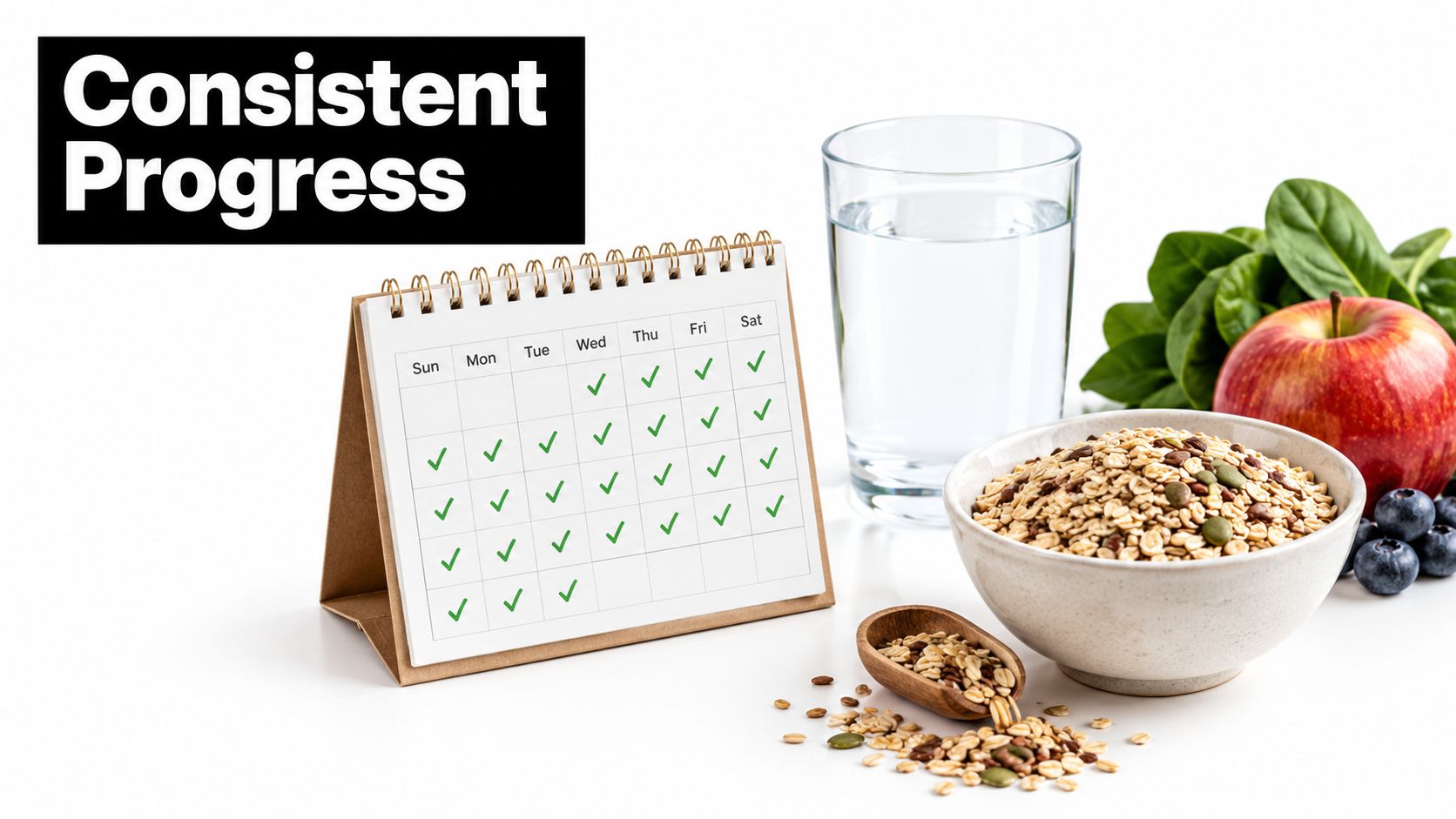
Start tomorrow with one high-fiber breakfast, add legumes to lunch, pack fruit or a portable snack, and include a whole grain or vegetable at dinner. Track how you feel, adjust portions gradually, and keep the combinations that fit your appetite, schedule, and budget.
Rip Van offers portable wafels, wafers, wafer bars, and cookies designed as lower-sugar, higher-fiber snack options for busy moments. Visit Rip Van to explore the range and choose a format that can help you keep a practical high-fiber routine within reach.
0 comments