

Snacking can be so much more than a quick fix for a rumbling stomach. When done right, it's a golden opportunity to fuel your body and mind. Simple choices—like pairing apple slices with almond butter or grabbing a handful of roasted chickpeas—can completely change your energy levels and keep you feeling full and focused. It's about turning snack time into your secret weapon for a better day.
Your Guide to Smarter Snacking With High Fiber
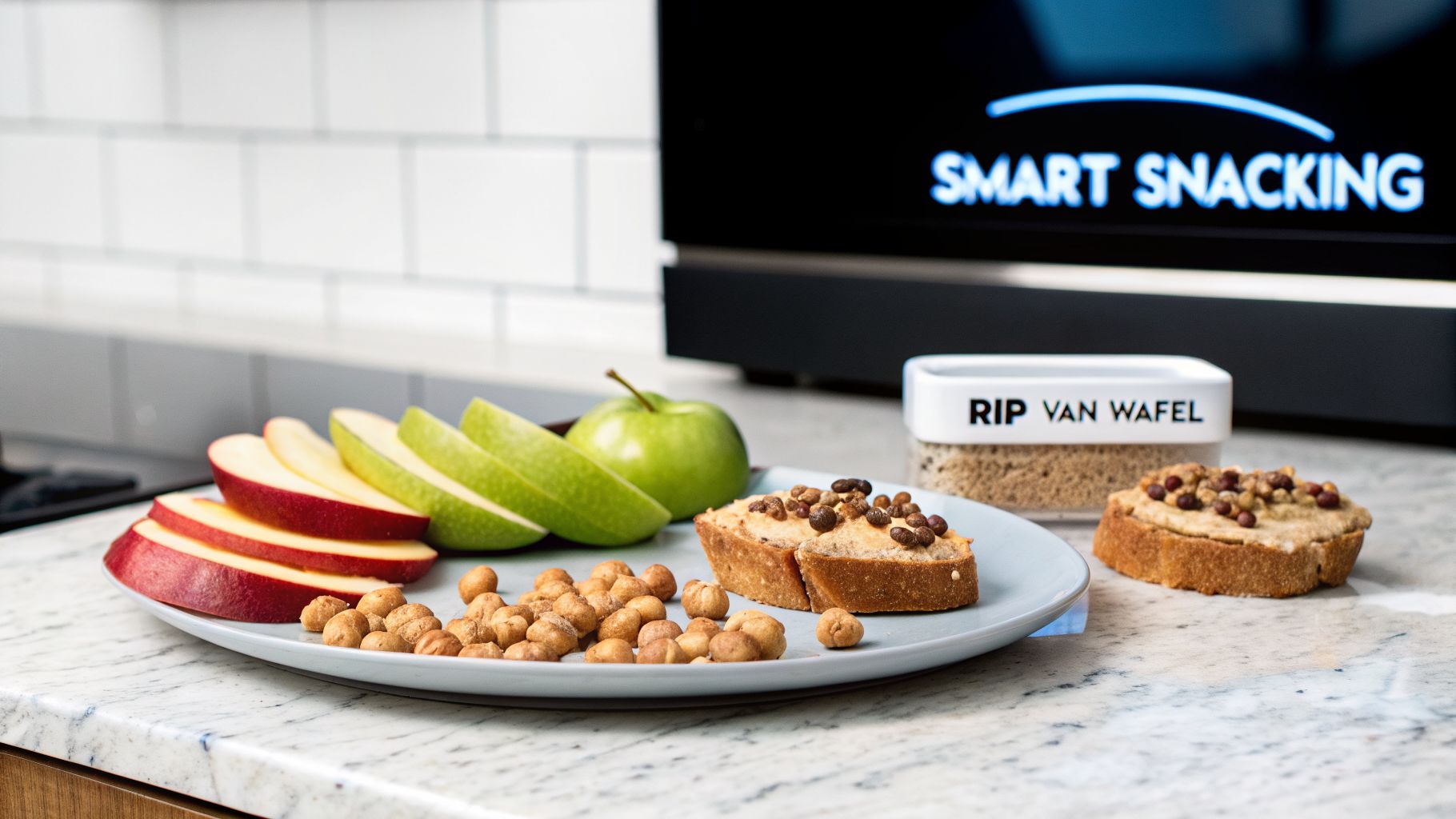
Think of your daily energy like a campfire. Most typical snacks—chips, cookies, candy—are like tossing a handful of dry leaves on the flames. You get a big, bright flash of energy that dies out almost immediately, leaving you feeling sluggish and reaching for more. That's the all-too-familiar afternoon crash.
High-fiber snacks, however, are the sturdy logs. They catch slowly and burn steadily, providing a consistent, reliable source of heat—or in your case, energy—that lasts for hours. No dramatic spikes, no sudden crashes. Just smooth, sustained power.
Bridging the Modern Fiber Gap
That slow-burn effect is exactly what most of us are missing. It might surprise you to learn that the vast majority of Americans are in a "fiber gap." The average person gets only about 15 grams of fiber per day, a far cry from the recommended 25 to 34 grams.
This is where smart snacking comes in. It’s a perfect, practical way to start closing that gap. Instead of seeing snacks as a guilty pleasure, we can reframe them as mini-meals designed to keep us going.
By shifting from mindless munching to intentional fueling, you can use snacks to actively support your energy, digestion, and overall well-being. It’s not about restriction; it’s about making smarter, more satisfying choices.
To help you get started, here’s a quick reference table with some go-to fiber sources.
Quick Guide to High-Fiber Snacking
| Fiber Source | Example | Key Benefit | Easy Snack Idea |
|---|---|---|---|
| Whole Grains | Oats, Whole-Wheat Bread | Sustained energy release | A slice of whole-wheat toast with avocado. |
| Legumes | Chickpeas, Lentils | Plant-based protein and fiber | A small bowl of roasted chickpeas. |
| Fruits | Apples, Berries, Pears | Natural sweetness and vitamins | A handful of raspberries with a few almonds. |
| Vegetables | Carrots, Bell Peppers | Low in calories, high in nutrients | Baby carrots dipped in hummus. |
| Nuts & Seeds | Almonds, Chia Seeds | Healthy fats and satisfying crunch | A small bag of mixed nuts and seeds. |
This table is just a starting point. The real magic happens when you start mixing and matching these foods to create snacks you genuinely look forward to eating.
Making High-Fiber Snacking Delicious and Easy
The best part? Adding more fiber to your diet doesn't have to feel like a chore. It can be incredibly simple and delicious. You could swap your usual afternoon cookie for a crisp apple or reach for a thoughtfully made snack that does the work for you.
That’s the whole idea behind brands like Rip Van. They create indulgent-tasting treats, like their low-sugar, high-fiber wafels, that perfectly align with a healthier lifestyle. These kinds of snacks prove you don't have to sacrifice flavor to meet your goals. You can find more ideas for fueling your day with fiber on massivebio.com.
This guide is all about giving you actionable tips and easy ideas to make high-fiber snacking a natural, enjoyable part of your routine.
Your Guide To The Two Types of Dietary Fiber
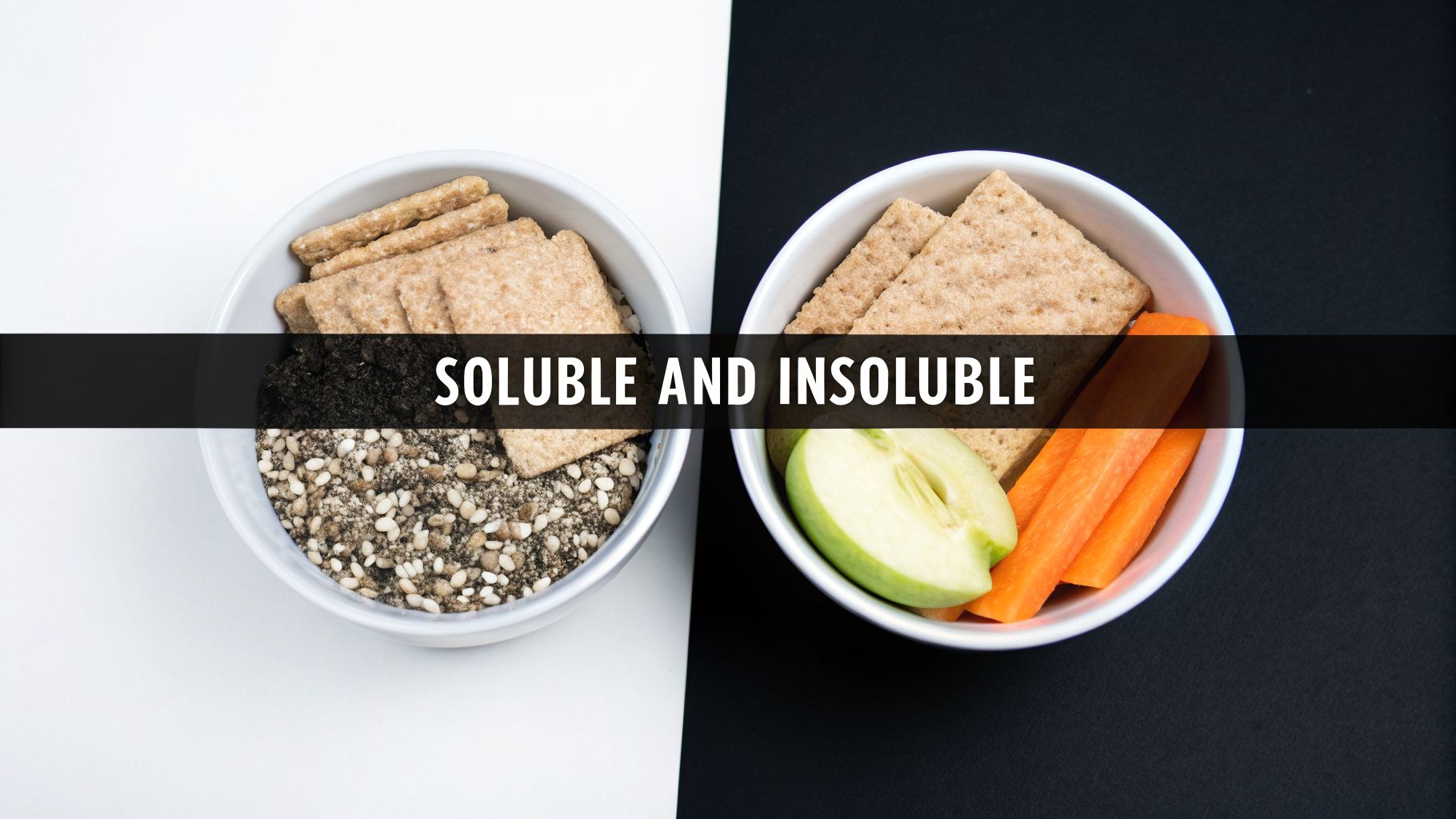
When most people hear the word "fiber," they picture a single, one-size-fits-all nutrient. But the truth is a lot more interesting. Think of fiber not as a solo act, but as a dynamic duo: soluble and insoluble. Each one has a distinct job, and understanding how they work is the first step toward building snacks that truly work for you.
To really get it, let's use a simple analogy. Imagine your digestive tract is a pipe that needs a good cleaning. To do the job right, you wouldn’t just use a sponge—you’d want a scrub brush, too.
Soluble Fiber: The Gel-Forming Sponge
First up is soluble fiber, which acts like that sponge. When you eat foods like oats, apples, beans, or carrots, this type of fiber dissolves in water and creates a thick, gel-like substance in your gut.
This gel is a game-changer. It slows everything down, which helps prevent those dramatic blood sugar spikes and crashes that tank your energy. That's also why it's so great for making you feel full and satisfied long after you've finished eating.
Even better, that gel can trap things like excess sugars and fats, slowing their absorption into your bloodstream. This is a big reason why soluble fiber gets so much credit for helping manage cholesterol and supporting overall heart health.
Insoluble Fiber: The Intestinal Broom
Now for the scrub brush. Insoluble fiber is your digestive system’s trusty broom. As its name suggests, it doesn't dissolve in water. Instead, it moves through your gut mostly intact.
Its primary role is to add bulk to stool and sweep things along. This action promotes regularity and keeps your system running on a smooth, predictable schedule—a simple but powerful way to prevent constipation. You'll find it in foods like whole grains, nuts, and the skins of fruits and vegetables.
Both types of fiber are crucial for a healthy gut, but they perform very different tasks. Soluble fiber slows digestion and helps you feel full, while insoluble fiber adds bulk to speed things up and keep you regular.
The best part? You don't have to overthink it. Most plant-based foods are a natural package deal, containing a mix of both. An apple is a perfect example: its soft flesh is full of soluble fiber, while the skin provides the insoluble kind.
This knowledge has been building for decades. Research from the 1980s really put fiber on the map, highlighting its power to lower cholesterol. Getting enough still matters today, especially since an estimated 95% of U.S. adults don’t meet their daily fiber goals. A single snack with 5 grams or more of fiber can start to close that gap.
By building snacks that feature a blend of both fiber types, you're not just curbing hunger—you're supporting your energy levels, digestion, and long-term health all at once.
To get an even deeper look at how these two work together, check out our guide on the difference between soluble and insoluble fiber.
How To Build The Perfect High Fiber Low Sugar Snack
Ever wonder why some snacks leave you raiding the pantry again in 30 minutes, while others keep you full and focused for hours? The secret isn't complicated. It's a simple, time-tested strategy: pairing fiber with protein and healthy fats.
I like to think of it like building a campfire that's meant to last.
Your main source of fiber is the big, slow-burning log at the base. It provides steady, consistent energy that won't burn out quickly. Then you add some protein, which acts like kindling—it makes the fire more substantial and satisfying. Finally, a little healthy fat is the firestarter, helping everything burn efficiently and brightly.
When you put these three together, you get a snack that’s so much more than the sum of its parts. This powerful trio slows down digestion, keeps your blood sugar from spiking and crashing, and leaves you feeling genuinely satisfied. It’s the key to breaking that frustrating cycle of snacking, crashing, and needing to snack all over again.
Your Snack Building Blueprint
So, how do you actually build one of these powerhouse snacks? It’s as easy as picking one food from each of the three core groups.
1. Start with a High-Fiber Base
This is the foundation. You want something naturally rich in fiber to give your snack substance.
- Fruits: An apple or pear (keep the skin on—that's where tons of fiber lives!) or a cup of mixed berries.
- Veggies: Baby carrots, crisp bell pepper strips, or cucumber slices give you that satisfying crunch.
- Whole Grains: A simple slice of whole-wheat toast or a small handful of hearty, whole-grain crackers.
- Smart Shortcuts: For those grab-and-go moments, starting with a Rip Van wafel or cookie gives you a major head start with a solid dose of fiber right out of the wrapper.
2. Add a Protein Power-Up
Next, layer on some protein. This is what provides the real staying power and helps you feel full longer.
- Dairy: A small container of Greek yogurt or a couple of slices of cheese.
- Nuts & Seeds: A handful of almonds or walnuts, or a spoonful of pumpkin seeds.
- Legumes: A scoop of hummus or a quarter-cup of crispy roasted chickpeas.
- Nut Butters: A tablespoon of your favorite almond, peanut, or cashew butter.
3. Finish with a Healthy Fat
Finally, add a touch of healthy fat. Fats are crucial for brain health, help your body absorb vitamins, and are incredibly effective at making you feel satiated.
- Avocado: A few creamy slices on crackers or mashed onto your toast.
- Nuts & Seeds: Chia seeds, ground flax, and walnuts are fantastic sources.
- Oils: A quick drizzle of extra-virgin olive oil can elevate any savory snack.
- Nut Butters: Here's a great two-for-one—most nut butters deliver a solid punch of both protein and healthy fats.
The perfect snack isn’t about hitting exact gram counts; it's about balance. By combining fiber, protein, and healthy fats, you create a synergistic effect that keeps you full, energized, and satisfied much longer than any single-nutrient snack could.
Bringing the Formula to Life
What does this look like on a plate? It's probably simpler than you think. In fact, you might already be making some of these without realizing it.
- The Classic: Apple slices (fiber) with a spoonful of peanut butter (protein + fat).
- Savory & Crunchy: Baby carrots (fiber) dipped in hummus (fiber, protein + fat).
- Sweet & Creamy: A bowl of Greek yogurt (protein) topped with fresh berries (fiber) and a sprinkle of chia seeds (fiber + fat).
- Quick & Convenient: Take a Rip Van wafel (fiber) and spread on a thin layer of almond butter (protein + fat), then top with a few sliced raspberries for an extra fiber kick.
That last one is a perfect example of how to build on a convenient base. When you start with something like a Rip Van product that’s already high in fiber and low in sugar, you've done half the work. From there, it only takes a second to add that protein and fat to create a perfectly balanced snack that will fuel you for whatever comes next.
20 Delicious High-Fiber Snack Ideas for Any Diet
Knowing the perfect snack formula is great in theory. But let's be honest—when you're in the middle of a hectic week, putting it into practice is a whole different ball game. That’s why we’ve put together this list of go-to, high-fiber snack ideas.
Think of it as your cheat sheet for smarter snacking. Whether you need something you can eat with one hand, a treat the whole family will actually enjoy, or a solid keto-friendly option, we’ve got you covered. The goal is to make your next healthy choice the easiest one.
This simple diagram shows exactly what we're aiming for: a balanced mix of fiber, protein, and healthy fat.

When you combine these three, you get a snack that does more than just fill a temporary craving—it provides sustained energy and keeps you feeling genuinely full and satisfied.
On-the-Go and Portable High-Fiber Snack Ideas
Life moves fast, and your snacks should be able to keep up. These ideas are all about portability, requiring little to no prep so you can just grab them and head out the door.
- Roasted Chickpeas: A fantastic fix for a crunchy, savory craving. A single serving can pack around 6g of fiber and 8g of protein. Just toss them with olive oil and your favorite spices, then bake until golden and crispy.
- Rip Van Wafels or Wafers: This is convenience at its best. They’re already portioned and ready to go, offering a serious fiber boost with hardly any sugar. Perfect for stashing in your desk, gym bag, or car.
- DIY Trail Mix: Forget the sugary store-bought versions. Mix almonds, walnuts, pumpkin seeds, and a handful of dried apricots for a powerful blend of fiber, protein, and healthy fats that will keep you going for hours.
- Apple Slices with Nut Butter Packets: Those single-serving nut butter packets are a game-changer for mess-free snacking. Pair one with a crisp apple for a classic combo that always hits the spot.
- Edamame: Buy a bag of frozen edamame and steam a big batch to keep in the fridge. A one-cup serving offers an impressive amount of fiber and plant-based protein.
Family-Friendly and Kid-Approved Snacks
Getting kids on board with fiber can feel like an uphill battle. But these fun and tasty ideas are parent-tested and kid-approved—so good you’ll probably find yourself sneaking a few.
- Ants on a Log: This one’s a timeless classic for a reason! Celery sticks (fiber) filled with peanut butter (protein and fat) and topped with raisins (more fiber) is a fun, hands-on snack.
- Berry Yogurt Parfaits: Layer Greek yogurt with mixed berries and a sprinkle of low-sugar granola. Kids love building their own, and it's a fantastic way to pack in fiber and protein.
- Banana "Sushi": Spread a thin layer of sunflower seed butter on a whole-wheat tortilla, place a peeled banana on top, roll it up tight, and slice it into "sushi" rounds. It’s fun to make and eat.
- Avocado Toast Stars: Who said toast has to be boring? Use a cookie cutter to cut whole-grain bread into fun shapes. Mash an avocado on top and finish with a tiny sprinkle of sea salt.
- Oatmeal Energy Bites: Mix rolled oats, chia seeds, a touch of honey, and nut butter. Roll into small balls and pop them in the fridge. They have a cookie-dough vibe but are packed with wholesome ingredients.
A little secret from one parent to another: presentation is everything. Simple tricks like using cookie cutters or arranging food in a smiley face can make healthy snacks instantly more exciting for kids.
High Fiber Snack Ideas by Dietary Need
Finding snacks that fit specific dietary needs while still being high in fiber can be tricky. This table breaks down some easy ideas to help you find the perfect match, whether you're keto, gluten-free, or just trying to eat more plants.
| Dietary Need | Snack Idea | Approx. Fiber (per serving) | Why It Works |
|---|---|---|---|
| Keto / Low-Carb | Avocado with Everything Bagel Seasoning | ~9g | This snack is mostly healthy fats and fiber, keeping carbs extremely low while being incredibly satisfying. |
| Gluten-Free | Apple Slices with Almond Butter | ~7g | A naturally gluten-free pair that combines fruit fiber with protein and fat from the nut butter for balanced energy. |
| Vegan | Roasted Edamame with Sea Salt | ~8g | Edamame is a plant-based powerhouse, delivering a complete protein source alongside a substantial amount of fiber. |
| Family-Friendly | Rip Van Wafel with Greek Yogurt & Berries | ~6-8g | The low-sugar Rip Van Wafel provides a fun, cookie-like base, while yogurt adds protein and berries add extra fiber and vitamins. |
These are just starting points, of course. The best snacks are the ones you genuinely enjoy and can easily fit into your routine.
Keto and Low-Carb High-Fiber Choices
Following a ketogenic diet doesn't mean sacrificing fiber. These snack ideas are designed to keep you in ketosis while supporting your digestion and keeping hunger at bay.
- Avocado with Everything Bagel Seasoning: Simple, but so good. Half an avocado delivers a huge dose of healthy fats and fiber, and the seasoning gives it that savory crunch you crave.
- Flaxseed Crackers with Cheese: Flaxseeds are a low-carb fiber champion. Pair homemade or store-bought flax crackers with a few slices of high-quality cheese for a perfect keto snack.
- Pecans and Raspberries: A small handful of pecans is loaded with healthy fats and some fiber, while a few raspberries add another fiber boost with minimal net carbs.
- Chia Seed Pudding: This is the ultimate make-ahead snack. Just mix chia seeds with unsweetened almond milk and a few drops of a keto-friendly sweetener, then let it chill. One serving can deliver over 10 grams of fiber!
- Rip Van Keto Wafers: Made specifically for low-carb lifestyles, these wafers give you a solid hit of fiber without the sugar or carbs, making them an easy choice when a craving strikes.
Nutritionally, many of these whole-food ideas are total standouts. Legumes are particularly powerful—split peas offer a whopping 16g of fiber per boiled cup, and black beans come in close with 15g.
For even more ideas and full recipes, be sure to explore our complete collection of high-fiber snack recipes that fit any taste.
How to Read Labels for Truly High-Fiber Snacks
Ever feel like you need a secret decoder ring to figure out which snacks are actually healthy? The bright, flashy packages all make big promises, but the real story is always hiding in plain sight on the nutrition label.
Learning to read that little black-and-white box is the single best skill you can develop for finding snacks that are genuinely good for you. It’s your secret weapon for cutting through the marketing noise.
Your eyes should go straight to one spot first: the Dietary Fiber line. This tells you exactly how much fiber you're getting in a single serving. But what’s a good number? The FDA gives us some helpful benchmarks:
- Good Source of Fiber: The snack has 2.5 to 4.9 grams of fiber per serving.
- Excellent Source of Fiber (or High in Fiber): The snack has 5 grams or more of fiber per serving.
These guidelines are a fantastic starting point. Honestly, if you're aiming for a snack with at least 3 grams of fiber, you're already making a great choice. Even something as simple as spicy roasted chickpeas can pack in a solid 6 grams of fiber.
Look Beyond Just the Fiber Number
Here's where a lot of people get tripped up. A high fiber count doesn't automatically make a snack healthy. A product can be packed with fiber but also loaded with sugar, strange artificial ingredients, or unhealthy fats. That’s why you have to look at the whole picture.
After checking the fiber, your very next stop should be the Added Sugars line. The goal here is to find a number that's as close to zero as possible. You'd be surprised how many popular "fiber bars" are really just candy bars in disguise, using tons of sugar to cover up the taste of cheap, processed fillers.
A high-fiber, high-sugar snack will still send you on a blood sugar rollercoaster. The goal is to find snacks that provide sustained energy, not a quick spike followed by a crash.
Finally, take a quick scan of the ingredients list. Are you seeing things like corn syrup, artificial sweeteners (like sucralose or aspartame), or a long list of words that sound like they belong in a chemistry lab? The shorter and more recognizable the ingredient list, the better.
A Positive Example: The Rip Van Wafel
Let's put this into practice with a label that gets it right. A Rip Van wafel is a perfect case study of what to look for in a smart, high-fiber snack.
When you flip over the package, you'll see a few things that really stand out:
- High Fiber: The first thing you'll spot is a strong fiber count, which often makes it an "excellent source."
- Low Sugar: The "Added Sugars" number is impressively low, usually just a few grams.
- Clean Ingredients: The list is refreshingly simple. You'll see ingredients like chicory root fiber (a fantastic natural prebiotic), oat fiber, and monk fruit for a touch of sweetness instead of artificial stuff.
This is the trifecta you're looking for: high fiber, low sugar, and clean ingredients. It’s proof that you don't have to sacrifice taste to find a snack that actually helps you feel your best.
For a deeper dive, check out our complete guide on how to read nutrition labels.
Feel Good Snacking With Rip Van
So, what's the big takeaway? We've covered a lot about building better snacks, but it all boils down to one simple idea. When you choose high-fiber foods, you're not just quieting a rumbling stomach—you're giving your body sustained energy, supporting smooth digestion, and achieving a real sense of fullness that helps you sidestep mindless munching.
Putting all that knowledge into practice is the next step, but it shouldn't feel like another item on your to-do list. That’s exactly why we started Rip Van. We're passionate about proving that a genuinely delicious snack can also be an incredibly smart one. Our whole goal is to make it easy (and tasty) to get more fiber into your day without all the sugar you work so hard to avoid.
The Perfect Partner For Your Health Goals
We didn't just create snacks; we engineered them around the very principles you've just learned. Every Rip Van wafel, wafer, and cookie is designed to be a grab-and-go, high-fiber option that fits right into your actual life. We’re serious about making treats you can feel great about eating.
Here’s our simple promise for every product we make:
- Low Sugar Always: You won’t find any corn syrup or artificial sweeteners here. We use natural alternatives like monk fruit to get that sweet taste you crave without the guilt.
- Fiber-Forward: Our snacks are specifically made to help you close that daily fiber gap. Many of our treats are an excellent source of this powerhouse nutrient.
- Clean Ingredients: We only use non-GMO ingredients and absolutely no artificial colors or flavors. The deliciousness comes from real, simple stuff you can recognize.
Think of Rip Van as your easy button for smart snacking. We’ve already done the hard work of balancing the fiber and low sugar, so all you have to do is enjoy a treat that keeps you on track and feeling good.
Whether you need a quick bite between meetings, a keto-friendly dessert, or a cookie the kids will actually love, we have something that makes sticking to your goals feel less like a sacrifice and more like a reward.
Try Rip Van Risk-Free Today
Ready to feel the difference a smarter snack can make? We stand by our products completely. Everything we sell is backed by our 100% satisfaction Royal Guarantee, and we offer free U.S. shipping on orders over $45.
It’s time to take your snacking to the next level. Explore our collection of delicious, low-sugar, high-fiber snacks on RipVan.com and find your new favorite way to fuel your day.
Your High-Fiber Snacking Questions, Answered
Thinking about adding more high-fiber snacks to your day? It's a fantastic move, but it's natural to have a few questions. Let's tackle some of the most common ones so you can snack smarter, right from the start.
Can I Get All My Daily Fiber From Snacks?
It's tempting to think you could, but it’s not the best strategy. While high-fiber snacks are a brilliant way to boost your numbers, you'll want to get fiber from a variety of sources, including your main meals.
Think of it this way: build your foundation with fiber-rich foods like fruits, vegetables, whole grains, and beans at breakfast, lunch, and dinner. Then, use snacks to bridge any gaps and easily hit that recommended 25-38 grams per day. They're the perfect supplement, not the whole story.
Will Eating Too Much Fiber Cause Digestive Issues?
This is a common worry, and it's a valid one. If your body isn't used to a lot of fiber, jumping in too fast can sometimes lead to gas, bloating, or general discomfort. It’s a bit like going from the couch to running a 5K—your system needs time to adapt.
The secret is to go slow. Increase your fiber intake gradually over several weeks. Just as important, make sure you're drinking plenty of water. Water helps fiber work its magic in your digestive system. This gentle approach gives your body time to adjust, so you can avoid any unwanted side effects.
Are High-Fiber Snacks Good for Weight Loss?
Absolutely. In fact, they can be one of your best tools for managing weight. Fiber adds bulk to your food and slows down how quickly your stomach empties, which helps you feel full and satisfied for much longer on fewer calories.
This feeling of lasting fullness is a total game-changer. It naturally helps you eat less overall by keeping those nagging cravings and mindless nibbling at bay.
When you pair fiber with protein and healthy fats—our perfect snack trio—you create an even more effective hunger-fighting team. It’s a strategic way to manage your appetite without ever feeling deprived.
How Can I Get My Kids to Eat More Fiber?
When it comes to kids, making fiber delicious is everything. Even small studies highlight the obvious: kids are way more likely to eat fiber-rich foods if they actually taste good. One study, for instance, found that giving children two tasty, high-fiber snacks each day was enough to significantly boost their total fiber intake. You can learn more about these findings on RipVan.com.
Here are a few tricks that work wonders:
- The Buddy System: Pair something they already love (like apple slices) with a fun new dip like sunflower seed butter.
- Get Them Involved: Kids who help in the kitchen are more likely to eat what they make. Let them build their own yogurt parfaits or roll oatmeal energy bites.
- Smart "Treat" Swaps: A delicious, low-sugar cookie or wafel that's secretly packed with fiber feels like a special treat but works for your goals.
The satisfying crunch and yummy taste of a well-crafted snack are usually an easy sell, giving parents a simple and effective win.
Ready to make smart snacking a delicious and effortless part of your day? Rip Van offers a variety of high-fiber, low-sugar wafels, wafers, and cookies that you and your family can feel good about.
Explore the full collection and find your new favorite snack today
0 comments