

At 3 p.m., you need something fast, not a nutrition puzzle. You pick up a granola bar because it looks wholesome, then notice whey in the ingredients, or you finish a fruit snack and feel hungry again soon after. For vegetarians, a useful snack has to meet three tests: it should fit your dietary boundaries, provide enough protein and fiber to feel satisfying, and taste good enough to become a realistic part of your routine.
The good news is that snacks for vegetarians can include far more than fruit and raw vegetables. Nuts, seeds, edamame, yogurt, hummus, roasted chickpeas, whole-grain options, and carefully selected packaged treats can all work. The key is knowing what to scan for and how to judge a snack beyond its front-of-pack claims.
The Hidden Challenges of Vegetarian Snacking
Vegetarian snacking gets complicated when a product looks meat-free but doesn't deliver what you need. A cheese cracker may contain animal-derived enzymes. A brightly colored gummy may use carmine. A sweet bar may be vegetarian but so high in sugar and low in protein that it leaves you searching for another snack shortly afterward.
The 3 p.m. situation usually involves two separate decisions. First, can you eat the product? Second, will it hold you over until your next meal? Treating those as the same question creates problems. A snack can be vegetarian and still function mainly as a quick source of sugar or refined starch.
Practical rule: Check the ingredient list for dietary fit, then check protein, fiber, and added sugar for staying power.
A carb-only snack isn't automatically bad. Crackers, fruit, pretzels, and chips can all have a place in a balanced eating pattern. They work better when paired with something that adds protein, fiber, or healthy fat, such as hummus with crackers, peanut butter with fruit, or yogurt with seeds.
Why the category deserves a closer look
Vegetarian snacking has become a substantial commercial category rather than a narrow specialty market. The global vegan snacks market was valued at about USD 16.8 billion in 2025 and is projected to reach USD 40.2 billion by 2034, representing a projected 9.8% compound annual growth rate over that period, according to Market Intelo's vegan snacks market analysis. Vegan products are a major subset of vegetarian-friendly snacks, so this growth reflects wider demand for convenient plant-based choices.
That market also includes familiar formats. Chips hold the largest segment in the cited analysis at 32.5%, which shows that salty, portable snacks remain important even as shoppers look for more protein and fiber. The practical lesson isn't that every snack must be highly engineered. It's that you can enjoy convenient foods while choosing versions that better match your hunger and dietary needs.
How to Read Labels for Hidden Animal Ingredients
Front-of-pack language can help, but the ingredient list gives you the information you need. “Vegetable,” “natural,” and “plant-based” don't automatically answer whether a product is vegetarian, and a meat-free snack may still contain dairy, insects, or animal-derived processing ingredients.
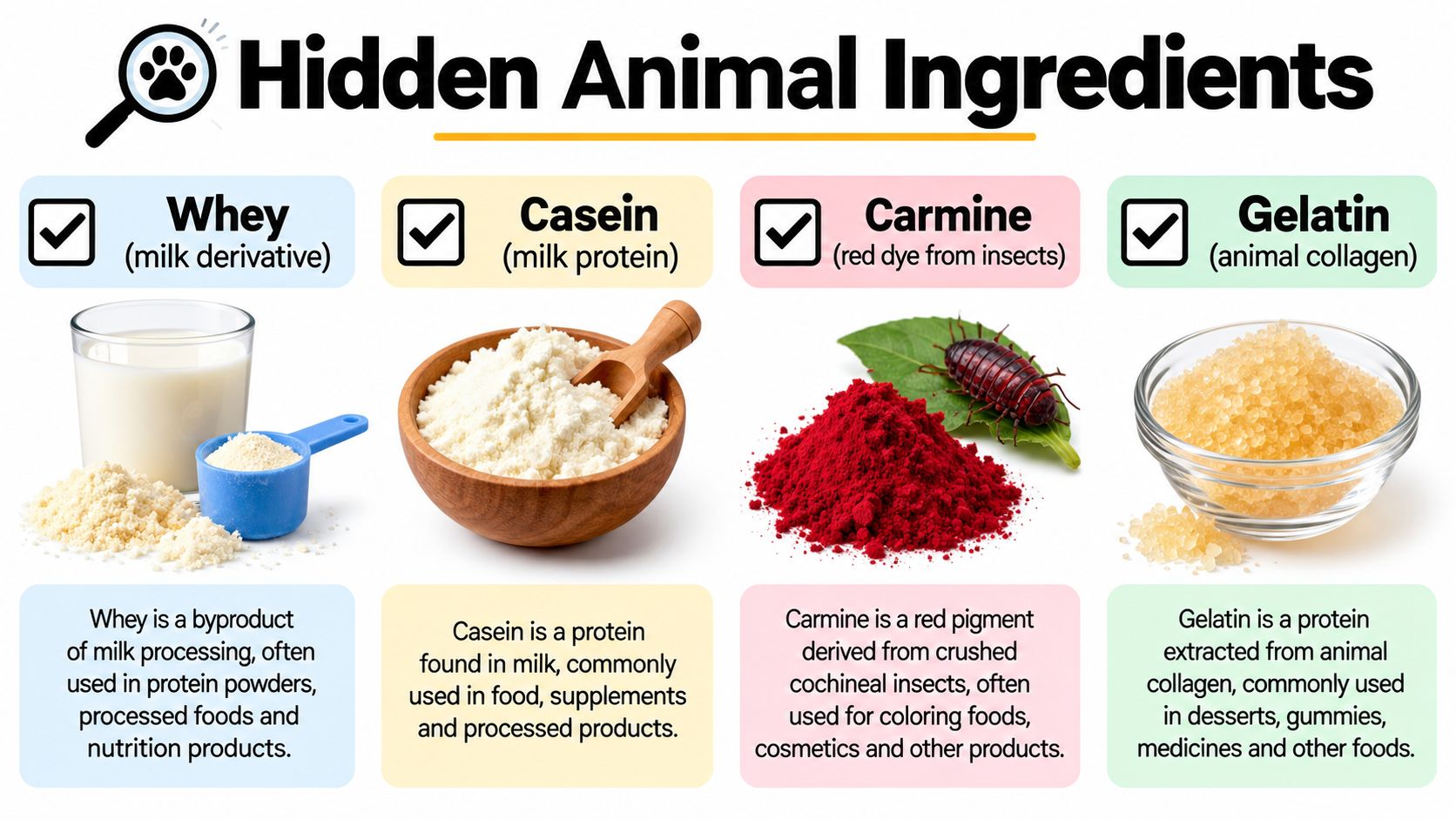
Scan these ingredients first
- Gelatin: This animal collagen often appears in gummies, marshmallows, chewy sweets, some desserts, and occasionally snack bars.
- Carmine or cochineal: This red coloring comes from insects and may appear in fruit-flavored sweets, colored yogurt products, and confectionery.
- Whey and casein: Both come from milk. They can show up in protein bars, flavored crackers, chocolate coatings, and savory snacks.
- Milk solids and butterfat: These dairy ingredients often hide in seasoning blends, cookies, baked snacks, and creamy fillings.
- Animal-derived enzymes: Some cheeses and cheese-flavored products use enzymes that may not come from microbial or plant sources.
- Confectionery glaze or shellac: This coating can give sweets a shiny finish and may be derived from insect secretions.
- Honey: Vegetarians differ in whether they include honey, so treat it as a personal dietary checkpoint rather than an assumption.
The same ingredient can appear in unexpected places. A plain potato chip may have a short ingredient list, while a flavored chip can include dairy-based seasoning. A cereal bar may look plant-forward but use milk ingredients in its coating. If the label says “vegetarian,” that claim can be useful, but formulations change, so checking the current package remains the safest habit.
A quick aisle routine
Start with the allergen statement, then read the full ingredient list. The allergen line can quickly reveal milk or egg, but it won't necessarily identify every ingredient that matters to your personal definition of vegetarian eating. For a more detailed explanation of serving sizes, ingredient lists, and nutrition panels, use this guide to reading nutrition labels.
Look for certification when it matters to you, especially if you avoid specific animal-derived ingredients. Also remember that “may contain” usually addresses cross-contact, not whether an ingredient is intentionally included. People with allergies should follow medical guidance, while people choosing vegetarian foods should focus on the actual ingredients and clearly stated dietary claims.
The video below can reinforce the visual habit of slowing down and checking the package rather than relying on the product name.
Nutrition Targets for Lasting Satiety
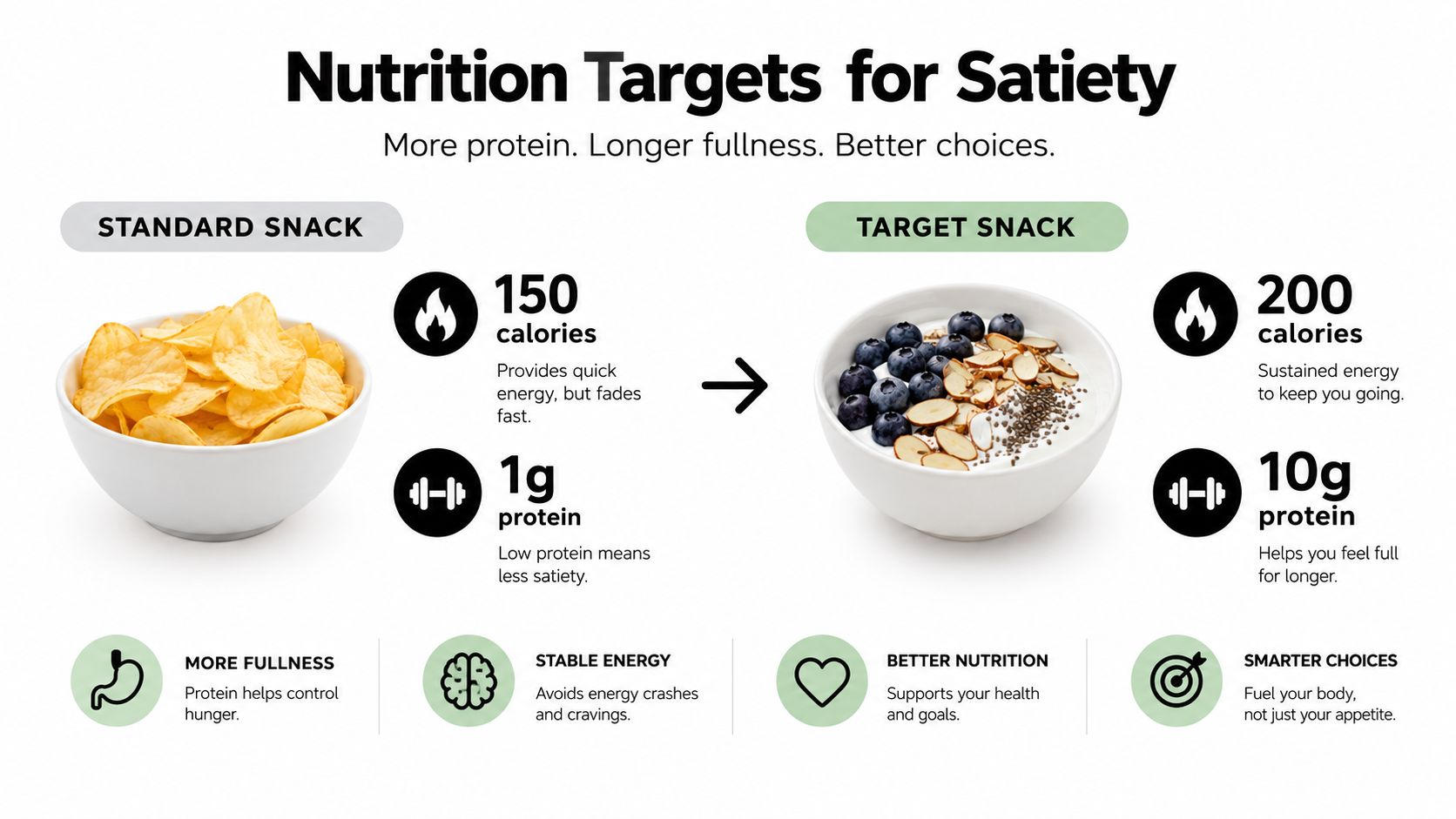
A snack can pass an ingredient check and still leave you hungry soon after. For a snack-sized serving, aim for about 5 to 10 grams of protein, paired with fiber or unsaturated fat to slow digestion and support fullness, as described in this dietitian-informed guide to high-protein vegan snacks. These targets work as a screening tool, not a rigid prescription. Fruit before a walk serves a different purpose from a desk snack intended to carry you through several hours.
Protein and fiber help turn a quick bite into a more substantial snack. Fat can add staying power too, while a carb-only choice may provide energy without lasting fullness.
Use the fiber-to-sugar relationship
Sugar does not disqualify a packaged snack. The more useful question is whether the serving offers enough fiber to balance its sweetness. A practical target is at least 3 grams of fiber per serving, with added sugar kept low and protein within the snack-sized range, as summarized by Livestrong's guide to high-protein vegetarian snacks.
Read the nutrition panel like a balance sheet. Modest sugar plus meaningful fiber is generally more supportive of steady fullness than a snack built mainly from sweeteners and refined starches. You can also improve the ratio by pairing foods: berries with Greek yogurt, an apple with peanut butter, or crackers with hummus.
Edamame demonstrates how one vegetarian food can cover both targets. One cup of cooked edamame provides 18 grams of plant protein and 8 grams of fiber. That makes it a substantial choice when a small sweet bite would not meet your hunger.
For more context on why foods vary in their effects on fullness, see this episode 155 satiety index breakdown. Then check the package in front of you. Protein, fiber, and a sensible fiber-to-sugar balance offer a clearer guide than the snack's plant-based branding alone.
Comparing Popular Vegetarian Snack Formats
The best snack format depends on the situation. Nuts may be excellent for a commute but messy at a desk shared with others. A yogurt cup can provide protein but needs refrigeration. A packaged wafer may be convenient for travel, while roasted chickpeas may better suit someone craving a crunchy savory texture.
| Snack Format | Typical Macros | Best Use Case |
|---|---|---|
| Nuts and seeds | Protein, fiber, and unsaturated fat, with little added sugar in plain versions | Portable snacks and longer-lasting fullness |
| Edamame | High plant protein and fiber, especially when served as a substantial portion | Home, office, or post-activity eating |
| Hummus with vegetables or crackers | Moderate protein, fiber, and fat, depending on the pairing | Snack plates and afternoon hunger |
| Yogurt with fruit and seeds | Protein and carbohydrate, with fiber added through fruit or seeds | Refrigerated breakfasts or snacks |
| Protein bars | Protein varies widely, with fiber and added sugar depending on the recipe | Travel and situations without preparation time |
| Savory chips or roasted legumes | Carbohydrate with variable protein and fiber | Crunch cravings and social occasions |
| Fruit with nut butter | Fiber from fruit plus protein and fat from the spread | Quick preparation at home or work |
| Wafers and cookies | Usually more indulgent, with nutrition determined by fiber, sugar, and serving size | Sweet cravings alongside a balanced snack plan |
Match the format to the craving
For a mess-free commute, choose a sealed bar, roasted edamame, or a small pack of nuts and seeds. For late-night sweetness, look for a snack with a clear serving size and a favorable fiber-to-sugar balance instead of eating directly from a large bag. For post-workout hunger, prioritize a food that reaches the practical protein range rather than relying on a low-protein cookie.
Energy bars can be confusing because some are designed as compact fuel and others function more like candy bars with added protein. This explanation of energy bars for athletes helps clarify why the intended use matters when comparing products.
For more ideas across sweet, savory, whole-food, and packaged categories, browse this guide to plant-based snacks. The useful question isn't whether a format is universally healthy. Ask whether it suits your hunger, schedule, storage options, and taste preferences.
How Rip Van Fits the Vegetarian Snack Profile
A packaged sweet snack can fit a vegetarian routine when it clears both screens: the ingredients align with your diet, and the nutrition panel supports the role you want it to play. Rip Van's vegetarian collection includes Dutch-style wafels, crispy wafers, wafer bars, cookies, Crispy Dunes, and Crispy Choco varieties, giving shoppers several portable formats for a sweet craving.
The brand describes its products as low sugar, with no corn syrup or artificial sweeteners, higher fiber compared with many popular alternatives, natural flavors, no artificial colors, and non-GMO ingredients. Those details matter because they let you evaluate a treat through the same framework used for any packaged snack: check the serving size, compare fiber with sugar, and confirm the ingredient list fits your preferences.
Keep the label habit
Rip Van states that its wafels are vegetarian-friendly, while its wafers and LEOS use completely vegan ingredients. You should still check the package you're buying, particularly if your dietary requirements are strict or a formulation has changed. A vegetarian filter can narrow your choices, but it doesn't replace reading the ingredient list and nutrition panel.
The company's ingredient transparency information provides a useful reference point for shoppers who want more detail about what appears in packaged snacks. That kind of clarity is valuable because vegetarian consumers often need to look beyond obvious meat ingredients and investigate dairy components, colorings, coatings, and processing aids.
Rip Van works best as one option in a rotation, not as a substitute for every type of snack. Pair a sweet packaged treat with a more substantial food when you're genuinely hungry, or choose it on its own when you want a portioned dessert-style bite. The decision should reflect the occasion, not a promise that one product can solve every nutrition need.
Building a Sustainable Snack Rotation
A sustainable snack routine needs variety without requiring constant planning. Start by assigning foods to three roles: substantial, portable, and pleasurable. A substantial option might be edamame, yogurt with seeds, or hummus with vegetables. A portable option could be nuts, roasted chickpeas, or a packaged bar. A pleasurable option gives you room for wafers, cookies, dark chocolate, or another treat that fits your dietary choices.
Stock by function
Keep at least one choice from each group available:
- For real hunger: Choose protein and fiber combinations such as edamame, nuts, seeds, yogurt, or hummus.
- For a sweet craving: Use fruit with nut butter, yogurt with berries, or a portioned packaged treat.
- For crunch: Rotate roasted chickpeas, seeds, whole-grain crackers, popcorn, or savory chips.
- For travel: Pack sealed snacks that can tolerate a bag or desk drawer, then verify the label before leaving home.
- For variety: Change flavors and textures rather than buying only foods that meet the same nutritional profile.
Before shopping, decide which snacks need refrigeration and which must survive in a backpack. Then check two things on packaged foods: hidden animal ingredients and the fiber-to-sugar balance. That small routine prevents the most common mistakes without turning every grocery trip into a research project.
Finally, allow snacks to be enjoyable. A food you dislike won't become sustainable because its label looks impressive. Build your rotation around foods that satisfy your hunger and your taste, and use combinations when a single item doesn't provide enough protein or fiber.
Rip Van offers vegetarian-friendly Dutch-style wafels, wafers, cookies, and other portable sweet snacks designed with low sugar and higher fiber in mind. Visit Rip Van to explore the vegetarian collection and choose a convenient option that fits your label-reading and satiety goals.
0 comments