

Managing diabetes often feels like a constant battle with food, especially when it comes to desserts. The fear of a blood sugar spike can make you feel like you have to give up sweet treats entirely. But what if you didn't have to? The key isn't deprivation, but smart substitution and mindful choices.
This guide offers a practical perspective on dessert for those with diabetes, proving you can enjoy rich, decadent, and satisfying sweets that align with your health goals. We'll explore 8 incredible low carb desserts for diabetics, each designed for minimal glycemic impact without sacrificing flavor or texture. These recipes focus on nutrient-dense ingredients, healthy fats, and safe sweeteners that work with your body, not against it. When choosing ingredients for your low-carb desserts, it's also beneficial to consider how other healthy fats impact your body; for a deeper dive into this, explore understanding olive oil's glycemic index and its effect on blood sugar and how it can be a part of a balanced diet.
From creamy chocolate avocado mousse to classic cheesecake, these recipes and tips will empower you to bring dessert back to the table, guilt-free. We will also show you how convenient, low-sugar snacks like Rip Van's wafels and cookies can be seamlessly integrated for extra crunch and satisfaction, making your sweet moments both simple and delicious.
1. Keto Chocolate Avocado Mousse
This dessert reimagines a classic indulgence into one of the most effective low-carb desserts for diabetics. Keto chocolate avocado mousse uses ripe avocados as a base, blended with unsweetened cocoa powder, a sugar substitute like erythritol or stevia, and a splash of unsweetened almond milk. The result is a dessert with a creamy, luxurious texture that rivals traditional mousse but without the sugar, carbs, or dairy.
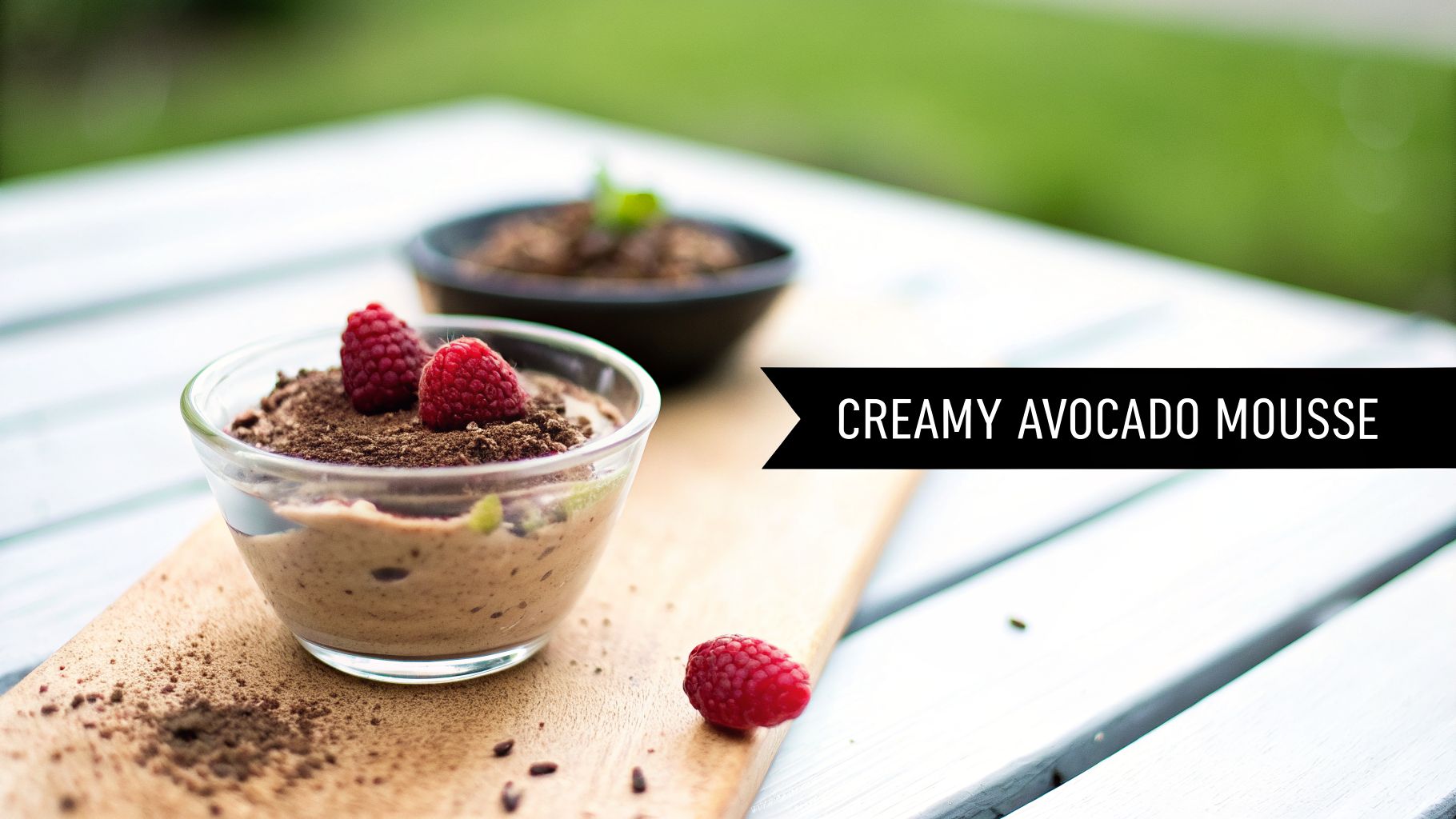
The healthy fats from the avocado promote satiety and help stabilize blood sugar, making this a smart choice for satisfying a sweet tooth without causing a significant glucose spike. Its popularity has grown within keto communities and it is often featured by nutritionists specializing in diabetic meal planning.
Why It Works for Diabetics
The key benefit is its minimal impact on blood glucose. With avocados providing fiber and healthy fats, and the sweetness coming from zero-calorie sweeteners, the net carb count is exceptionally low, often between 2-5 grams per serving. This makes it a reliable option for a post-meal treat or a satisfying snack. If you're looking for more convenient, ready-to-eat options, you can explore a variety of keto-friendly desserts to buy that fit a diabetic-friendly lifestyle.
How to Prepare and Serve
- Choose Ripe Avocados: The avocado must be soft to the touch to ensure a smooth, not lumpy, texture.
- Use High-Quality Cocoa: A cocoa powder with at least 80% cacao provides a deeper, richer chocolate flavor that masks the avocado taste.
- Blend Thoroughly: Use a high-speed blender or food processor until the mixture is completely smooth and no green specks remain.
- Enhance with Toppings: Serve in small ramekins and top with fresh raspberries, a sprinkle of sea salt, or crumbles from a Rip Van low-sugar wafer for a delightful crunch.
2. Allulose-Sweetened Cheesecake with Almond Flour Crust
This dessert is a prime example of how classic recipes can be adapted into fantastic low-carb desserts for diabetics without sacrificing flavor or texture. It features a rich, creamy cheesecake filling sweetened with allulose, set atop a nutty, buttery crust made from almond flour. Allulose is a rare sugar that tastes and functions like traditional sugar but has almost no calories and does not raise blood glucose levels, making it a superb choice for diabetic-friendly baking.
The combination of an almond flour crust and an allulose-sweetened filling creates a truly decadent dessert that feels indulgent yet is completely aligned with a low-carb, blood-sugar-conscious diet. This recipe is a favorite among keto experts like Maria Emmerich and is frequently highlighted on platforms such as Diet Doctor, solidifying its status as a top-tier diabetic-friendly treat.
Why It Works for Diabetics
The genius of this cheesecake lies in its ingredients. Almond flour is high in protein, healthy fats, and fiber, and very low in carbohydrates, preventing blood sugar spikes. Allulose provides the necessary sweetness and browning without the glycemic impact of sugar, making the net carb count for a slice typically just 3-6 grams. It’s a safe, satisfying dessert that allows for celebration without dietary compromise.
How to Prepare and Serve
- Pre-Bake the Crust: For a crispier, more stable base, pre-bake the almond flour crust at 325°F for 8-10 minutes before adding the creamy filling.
- Use a Water Bath: Place the cheesecake pan in a larger pan filled with hot water before baking. This method ensures even heat distribution, resulting in a creamy texture and preventing cracks.
- Cool Completely: Patience is key. Allow the cheesecake to cool completely at room temperature before refrigerating for at least four hours, or preferably overnight, to set properly.
- Add a Crunchy Element: Serve slices with a side of fresh berries or crumble a Rip Van low-sugar wafel over the top for a delightful textural contrast.
3. Berries and Whipped Coconut Cream Parfait
This elegant parfait offers a refreshing and visually appealing option for anyone seeking low-carb desserts for diabetics. It layers fresh, low-glycemic berries like raspberries, blackberries, and strawberries with a rich, dairy-free whipped coconut cream. Sweetened with a natural substitute like monk fruit or stevia, it provides a bright, satisfying sweetness without the blood sugar consequences of traditional fruit desserts.
The combination of fiber from the berries and healthy fats from the full-fat coconut cream promotes a feeling of fullness and helps slow down glucose absorption. This dessert is a staple in paleo and whole-food communities and is often recommended by registered dietitians for its simple, nutrient-dense ingredients and straightforward preparation.
Why It Works for Diabetics
The primary benefit is its naturally low carbohydrate profile and high fiber content. Berries are among the lowest-sugar fruits, and coconut cream provides healthy fats that support metabolic health. A serving typically contains just 5-8 grams of net carbs, making it a safe and delicious way to end a meal. If you need more ideas for managing blood sugar between meals, you can find a curated list of the best low-carb snacks for diabetics that align with these principles.
How to Prepare and Serve
- Chill the Coconut Cream: For the best results, refrigerate a can of full-fat coconut cream overnight. This separates the solid cream from the liquid, making it easier to whip.
- Whip to Perfection: Use an electric mixer to whip the solid coconut cream for 2-3 minutes until it forms light, fluffy peaks.
- Choose the Right Berries: Stick to raspberries, blackberries, and strawberries, as they have the lowest sugar content compared to other fruits.
- Layer for Texture: Create alternating layers of berries, whipped cream, and crushed Rip Van low-sugar wafers in a glass for a delightful textural contrast and added crunch. Assemble just before serving to maintain crispness.
4. Monk Fruit-Sweetened Chocolate Lava Cakes
This dessert offers the decadent experience of a gourmet chocolate lava cake, expertly adapted to be one of the most elegant low-carb desserts for diabetics. By using almond flour instead of traditional wheat flour and monk fruit sweetener in place of sugar, these individual molten cakes deliver a warm, flowing chocolate center with a minimal carbohydrate count. The result is a sophisticated dessert that feels indulgent but won't disrupt blood glucose levels.
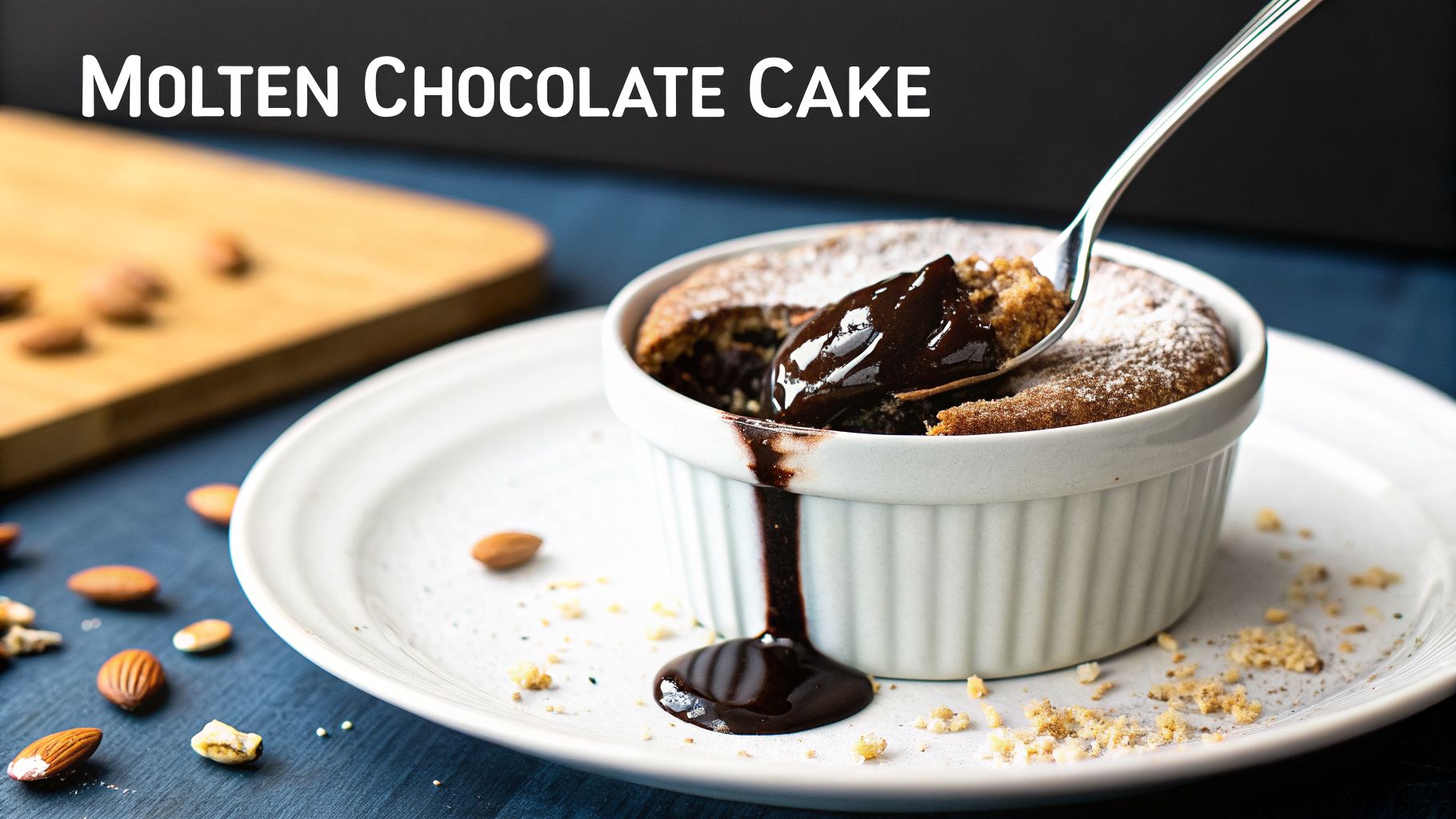
The use of monk fruit, a natural sweetener with zero calories and a zero glycemic index, provides sweetness without the metabolic impact of sugar. These single-serving cakes are perfect for special occasions and have become a staple in keto dessert cookbooks and on the menus of health-conscious restaurants.
Why It Works for Diabetics
The primary benefit is its negligible effect on blood sugar. Almond flour is low in carbs and high in fiber and healthy fats, while high-quality dark chocolate (70% cacao or higher) offers antioxidants with less sugar. With monk fruit providing the sweetness, the net carb count per cake is remarkably low, usually around 4-7 grams. This makes it a safe yet impressive option for a celebratory treat that aligns with a diabetic meal plan.
For a deeper dive into how to create these treats, the video below provides a great visual guide.
How to Prepare and Serve
- Use Quality Ingredients: Opt for high-quality dark chocolate (at least 70% cacao) for a rich, complex flavor. Ensure all ingredients, especially eggs, are at room temperature for a smoother batter.
- Don't Overbake: The key to a perfect molten center is to slightly underbake the cakes. Remove them from the oven when the edges are set but the center still jiggles slightly.
- Prepare in Advance: The batter can be made up to 24 hours ahead and stored in the refrigerator. Just bring it to room temperature for about 30 minutes before baking.
- Serve Immediately: For the best experience, serve the cakes warm. Top with a few fresh berries or add a satisfying crunch with crumbles from a Rip Van low-sugar cookie.
5. Peanut Butter and Erythritol Cookies
These soft, chewy cookies capture the nostalgic satisfaction of a classic treat, making them an excellent choice among low-carb desserts for diabetics. This recipe uses natural peanut butter as its base, combined with erythritol for sweetness and often just an egg and vanilla extract. The result is a simple, satisfying cookie that delivers on flavor and texture without the carbohydrates found in traditional recipes that rely on flour and sugar.
Erythritol, a sugar alcohol, provides the necessary bulk and sweetness similar to sugar but with a negligible impact on blood glucose. This makes these cookies a practical, everyday dessert option. They are frequently highlighted by diabetes educators and featured in resources like Dr. Jason Fung's "The Diabetes Code" for their ability to manage sweet cravings while supporting glycemic control.
Why It Works for Diabetics
The primary benefit is the minimal carbohydrate content, which helps prevent blood sugar spikes. Natural peanut butter offers healthy fats, protein, and fiber, which contribute to satiety and a slower, more stable glucose response. With each cookie typically containing only 1-3 grams of net carbs, they serve as a reliable and convenient snack that can be enjoyed without derailing a diabetic meal plan. For more ideas on managing sweet treats, you can find a great selection of low-sugar cookies for diabetics that fit this lifestyle.
How to Prepare and Serve
- Choose Natural Peanut Butter: Use a brand that contains only peanuts and salt, with no added sugars or hydrogenated oils, for the best nutritional profile.
- Avoid Overmixing: Stir the ingredients just until combined. Overmixing the batter can result in a tougher, drier cookie.
- Slightly Underbake: For a chewier consistency, pull the cookies from the oven when the edges are set but the centers still look slightly soft. They will firm up as they cool.
- Enhance with a Crunch: Serve alongside a cup of tea or coffee. For an upgraded treat, crumble the cookies over Greek yogurt or mix them with crumbled Rip Van low-sugar wafels for an exciting texture contrast.
6. Strawberry Shortcake with Whipped Cream and Almond Sponge
This recipe transforms the nostalgic family favorite into one of the best low-carb desserts for diabetics. It features a light, airy sponge cake made from almond flour, layered with fresh macerated strawberries and unsweetened whipped cream. By swapping traditional flour for almond flour and sugar for a substitute like erythritol, this dessert delivers the classic shortcake experience without the carbohydrate load that spikes blood sugar.
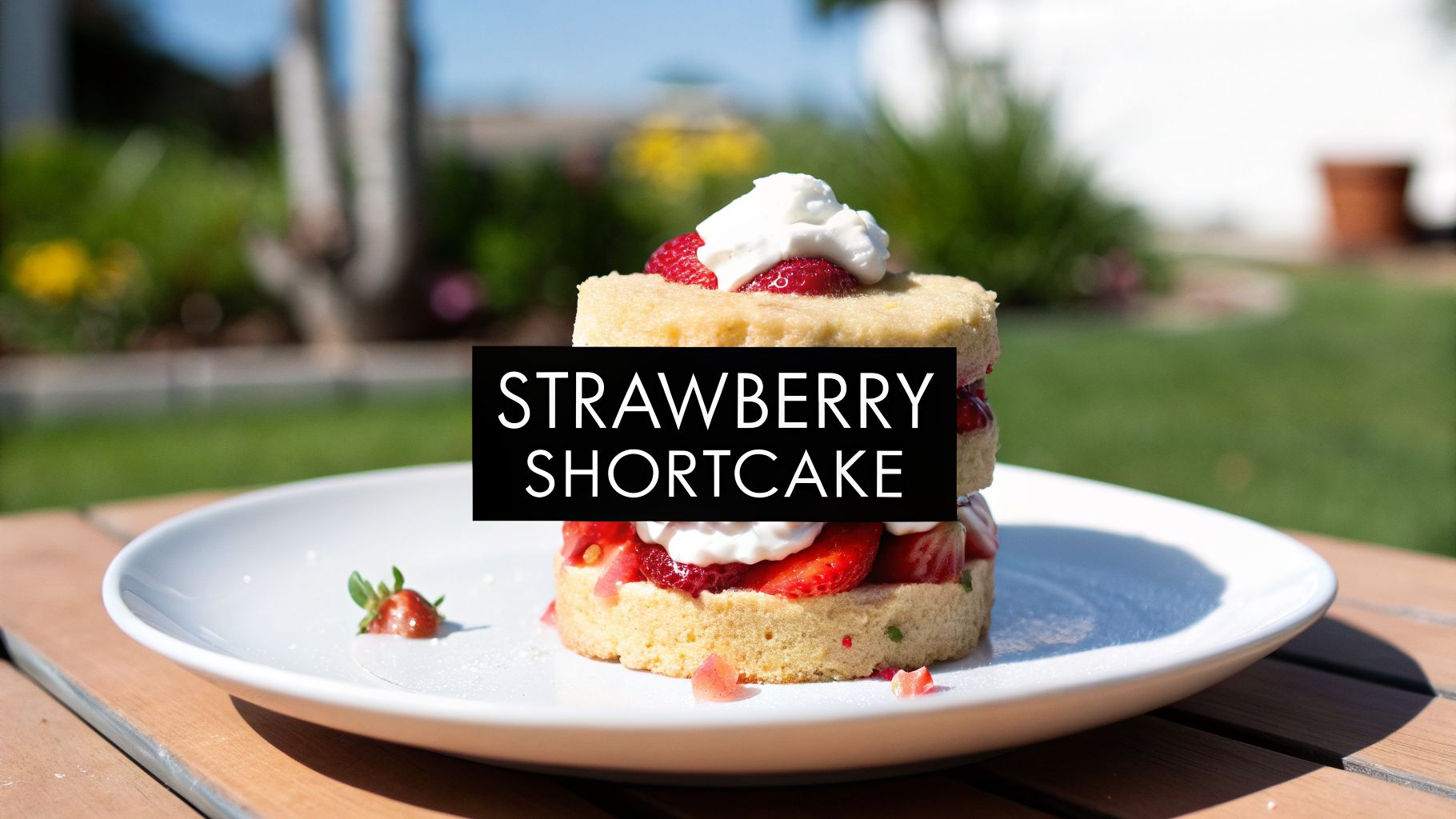
The use of almond flour creates a delicate, moist crumb while providing healthy fats, protein, and fiber. The natural sweetness of the strawberries means less added sweetener is needed overall, making it a well-balanced treat. This diabetic-friendly adaptation is a staple on low-carb food blogs and in cookbooks like Martina Slajerova's The Big Book of Keto, proving that cherished desserts can be both delicious and health-conscious.
Why It Works for Diabetics
The primary benefit is its low net carb count, which comes from using almond flour instead of grain-based flours. A serving typically contains 5-8 grams of net carbs, a fraction of the amount in traditional shortcake. The combination of fiber from the almond flour and strawberries, along with healthy fats, helps slow digestion and prevent rapid glucose spikes, making it a safe and satisfying choice.
How to Prepare and Serve
- Create a Fluffy Sponge: For the lightest cake, separate the eggs and whip the whites into a stiff meringue before folding them into the almond flour batter. Even a trace of yolk can prevent the whites from whipping properly.
- Macerate the Berries: Toss sliced strawberries with a small amount of erythritol or stevia and let them sit for at least an hour. This process draws out their natural juices, creating a flavorful syrup without extra sugar.
- Layer with Care: Assemble the shortcake just before serving to prevent the sponge from becoming soggy.
- Add a Satisfying Crunch: For extra texture and flavor, crumble a Rip Van low-sugar Stroopwafel and sprinkle the pieces between the layers of cake, cream, and strawberries.
7. Matcha Green Tea Cheesecake Bites with Macadamia Crust
These elegant, bite-sized desserts offer a sophisticated flavor profile, making them one of the more unique low-carb desserts for diabetics. Matcha Green Tea Cheesecake Bites combine cream cheese, a sugar substitute like erythritol, and vibrant matcha powder for a rich, earthy filling. This is set atop a buttery, gluten-free crust made from crushed macadamia nuts, creating a perfect balance of creamy and crunchy textures.
The complex umami flavor of matcha reduces the need for intense sweetness, while the macadamia nuts provide healthy fats and protein. This dessert is popular in wellness cafes and Japanese-inspired low-carb recipe blogs, praised for its antioxidant content and controlled portion size, which aligns with a balanced approach to diabetic-friendly treats.
Why It Works for Diabetics
The primary benefit is its low glycemic impact. The macadamia nut crust is naturally low in carbs and high in healthy fats, while the cheesecake filling uses a zero-calorie sweetener. Each bite-sized portion typically contains only 2-4 grams of net carbs. Matcha itself is celebrated for potential metabolic benefits, making this a smart, nutrient-dense choice that satisfies cravings without disrupting blood sugar levels.
How to Prepare and Serve
- Select Quality Matcha: Use ceremonial grade matcha for a smoother, less bitter flavor and vibrant color. Culinary grade can be astringent.
- Prevent Clumps: Whisk the matcha powder with a small amount of warm water to form a smooth paste before incorporating it into the cream cheese mixture.
- Perfect the Crust: Press the macadamia nut crust firmly into your pan and pre-bake it at 300°F for about 10 minutes to create a sturdy, crisp base.
- Chill and Slice: For clean, professional-looking squares, chill the cheesecake thoroughly for several hours. Use a hot, wet knife, wiping it clean between each cut. Serve chilled, perhaps with a crumble of Rip Van low-sugar wafers on top for an added layer of texture.
8. Coconut Flour Brownies with Dark Chocolate Chips
These fudgy, moist brownies deliver intense chocolate satisfaction with minimal carbohydrate impact, making them one of the most popular low-carb desserts for diabetics. The recipe uses nutrient-dense coconut flour instead of traditional wheat flour, blended with unsweetened cacao, a sugar substitute like monk fruit, and sugar-free dark chocolate chips. The result is a rich, satisfying brownie that won't disrupt blood sugar management.
Coconut flour is highly absorbent and packed with fiber, which helps create a dense, fudgy texture while promoting a feeling of fullness. This ingredient's subtle coconut undertone perfectly complements the deep flavor of dark chocolate, offering an indulgent treat that fits well within a diabetic or keto lifestyle. This type of recipe is frequently featured in keto cookbooks like 'Craveable Keto' and on food blogs dedicated to diabetic-friendly baking.
Why It Works for Diabetics
The exceptional fiber content from coconut flour slows the absorption of sugar into the bloodstream, preventing the sharp glucose spikes associated with conventional baked goods. Each brownie typically contains just 3-6 grams of net carbs, a manageable amount for a dessert. The use of zero-calorie sweeteners and healthy fats from ingredients like eggs or butter further stabilizes its effect on blood sugar.
How to Prepare and Serve
- Follow the Recipe: Do not substitute coconut flour 1:1 for other flours; it requires a specific liquid-to-flour ratio. Use a recipe designed for it.
- Measure Correctly: Spoon coconut flour into your measuring cup and level it off. Scooping directly from the bag can pack the flour too densely.
- Let the Batter Rest: Allow the mixed batter to sit for about five minutes before baking. This gives the coconut flour time to fully hydrate, ensuring a moist final product.
- Bake at a Lower Temp: Bake at 325°F instead of the traditional 350°F to prevent the edges from over-browning before the center is cooked through.
- Create a Brownie Sundae: For an elevated dessert, layer crumbled brownies with Greek yogurt and pieces of a Rip Van low-sugar wafel for a delightful texture contrast.
8 Low-Carb Desserts for Diabetics — Comparison
| Dessert | Implementation Complexity 🔄 | Resource Requirements ⚡ | Expected Outcomes 📊 | Ideal Use Cases 💡 | Key Advantages ⭐ |
|---|---|---|---|---|---|
| Keto Chocolate Avocado Mousse | Very low — no-bake, 5 min prep | Low — ripe avocados, cocoa, sweetener, blender | Creamy, rich texture; virtually zero net carbs | Quick snacks, meal prep, diabetic-friendly dessert | Dairy-free, high satiety, quick to make ⭐⭐⭐ |
| Allulose-Sweetened Cheesecake with Almond Flour Crust | Medium — baking skills, water bath needed | Medium — allulose (costly), almond flour, oven | Near-traditional cheesecake texture; low net carbs; stores well | Special occasions, bake-ahead desserts, presentations | Best sugar-like baking results; excellent texture ⭐⭐⭐ |
| Berries and Whipped Coconut Cream Parfait | Low — simple assembly and whipping | Low–Medium — quality coconut cream, fresh berries, mixer helpful | Fresh, antioxidant-rich, low glycemic impact | Vegan/dairy-free option, light entertaining, quick dessert | Whole-foods, visually appealing, customizable ⭐⭐ |
| Monk Fruit-Sweetened Chocolate Lava Cakes | High — precise timing for molten center | Medium — monk fruit, almond flour, dark chocolate, ramekins | Indulgent molten center with minimal carbs; single-serve impact | Dinner parties, special occasions, show-stopping dessert | Restaurant-quality presentation; zero-glycemic sweetness ⭐⭐⭐ |
| Peanut Butter and Erythritol Cookies | Very low — simple mixing and baking | Very low — peanut butter, erythritol, eggs; minimal tools | Portable, satiating snack; very low net carbs per cookie | Everyday snacking, lunchboxes, on-the-go treats | Budget-friendly, simple ingredient list, stores well ⭐⭐ |
| Strawberry Shortcake with Whipped Cream and Almond Sponge | Medium — sponge technique and assembly | Medium — almond flour, eggs, strawberries, mixer | Nostalgic, celebratory dessert with moderate low carbs | Gatherings, family desserts, entertaining | Familiar flavor profile adapted for low carbs ⭐⭐ |
| Matcha Green Tea Cheesecake Bites with Macadamia Crust | Medium — precise matcha mixing and portioning | High — ceremonial matcha, macadamia nuts, premium ingredients | Sophisticated, portion-controlled bites with antioxidant notes | Upscale events, gifting, portion control snacking | Unique flavor, high-fat nutrient density, elegant presentation ⭐⭐ |
| Coconut Flour Brownies with Dark Chocolate Chips | Medium — precise liquid ratios and timing | Low–Medium — coconut flour, dark chocolate, eggs | Fudgy, high-fiber brownies with low net carbs | Everyday indulgence, paleo/keto audiences | High fiber, fudgy texture when done correctly ⭐⭐ |
Putting It All Together: Your Action Plan for Sweet Success
Living with diabetes doesn't mean giving up the joy of a good dessert. It simply means approaching sweets with a new strategy, one built on smart choices, mindful portions, and delicious, blood-sugar-friendly ingredients. This guide to low carb desserts for diabetics has demonstrated that you have a wealth of options, from the rich decadence of a Keto Chocolate Avocado Mousse to the classic comfort of a Strawberry Shortcake made with almond flour sponge.
The true success lies in integrating these ideas into your daily life. It’s not about restriction; it’s about empowerment. You are in control of your plate and, by extension, your health. The key is to move from theory to practice, turning these recipes and tips into a sustainable, enjoyable part of your routine.
Your Next Steps for Delicious Control
To make this journey feel less overwhelming and more rewarding, here are some practical next steps:
- Start Small: Choose just one or two recipes from this list to master first. Perhaps the Peanut Butter and Erythritol Cookies or the Berries and Whipped Coconut Cream Parfait. Building confidence with a couple of go-to treats makes the process feel achievable.
- Become a Sweetener Scientist: Pay close attention to how your body responds to different sweeteners like allulose, erythritol, and monk fruit. Note not only the taste and texture they provide but also their impact on your personal blood glucose readings. This personalized data is your most powerful tool.
- Master Mindful Portioning: Remember that even low-carb desserts have calories and carbs. Use small ramekins for mousses and custards, pre-slice brownies and cheesecakes, and freeze individual portions. This simple habit prevents mindless overconsumption and keeps you aligned with your health goals.
- Track and Understand Your Progress: To effectively manage your diabetes and indulge in low-carb treats, understanding key health markers is vital. Learning about the HbA1c test can offer profound insights into your long-term blood sugar control, helping you see the positive impact of your dietary changes over time.
Key Takeaway: The goal is not just to find recipes, but to build a system. A system where you feel prepared, confident, and satisfied, knowing you can enjoy a sweet moment without compromising your well-being.
Ultimately, this is about creating a new perspective. Dessert is no longer a forbidden category but an opportunity for creativity. Whether you're baking a batch of Coconut Flour Brownies for the week or whipping up a quick parfait, you're actively participating in your own health journey. For those moments when time is short and cravings strike, remember that smart, convenient options are just as important. Keeping your pantry stocked with reliable, pre-portioned snacks like Rip Van's low-sugar wafels ensures you always have a safe and satisfying choice on hand. Embrace this path with curiosity and enjoy the sweet rewards of your efforts.
Ready to stock your pantry with delicious, low-sugar snacks that fit your lifestyle? Rip Van offers a variety of wafels and cookies that are high in fiber and low in sugar, making them the perfect convenient treat for anyone managing their carb intake. Explore the Rip Van collection today and discover your new favorite on-the-go dessert.
0 comments